Vehicle Lettering That Keeps
Names, Numbers & Messages Clear
Add a company name, logo, phone, website, unit ID, service message, or customer-supplied USDOT and operating identifiers without covering the entire vehicle. We design, cut, print, and install lettering in-house in Linden, NJ, building each layout around viewing distance, usable panels, door gaps, handles, body lines, contrast, and the exact wording approved by the owner or operator.
Use Each Door and Panel for One Readable Job
Lettering works best when the message is short and the existing vehicle color supports it. A company name can establish identity, one response path can tell viewers what to do next, and a small service line can add context. Filling every gap with an email, address, phone, website, slogan, service list, and multiple numbers usually makes all of them harder to read.
We map the approved content to the actual vehicle. Door seams, handles, hinges, windows, body lines, trim, sensors, fuel doors, steps, reflectors, lights, textured plastics, repaired paint, and removable panels affect both placement and material choice. Logo decals and spot graphics can add color while cut lettering keeps simple names and numbers crisp.
Regulatory identifiers require a separate approval path. Federal, state, city, authority, registration, lease, and industry requirements can overlap and change. The carrier or operator determines what applies and supplies the exact legal name, numbers, size, contrast, sides, permanence, and placement; Hawk Wraps turns those approved specifications into production-ready graphics.
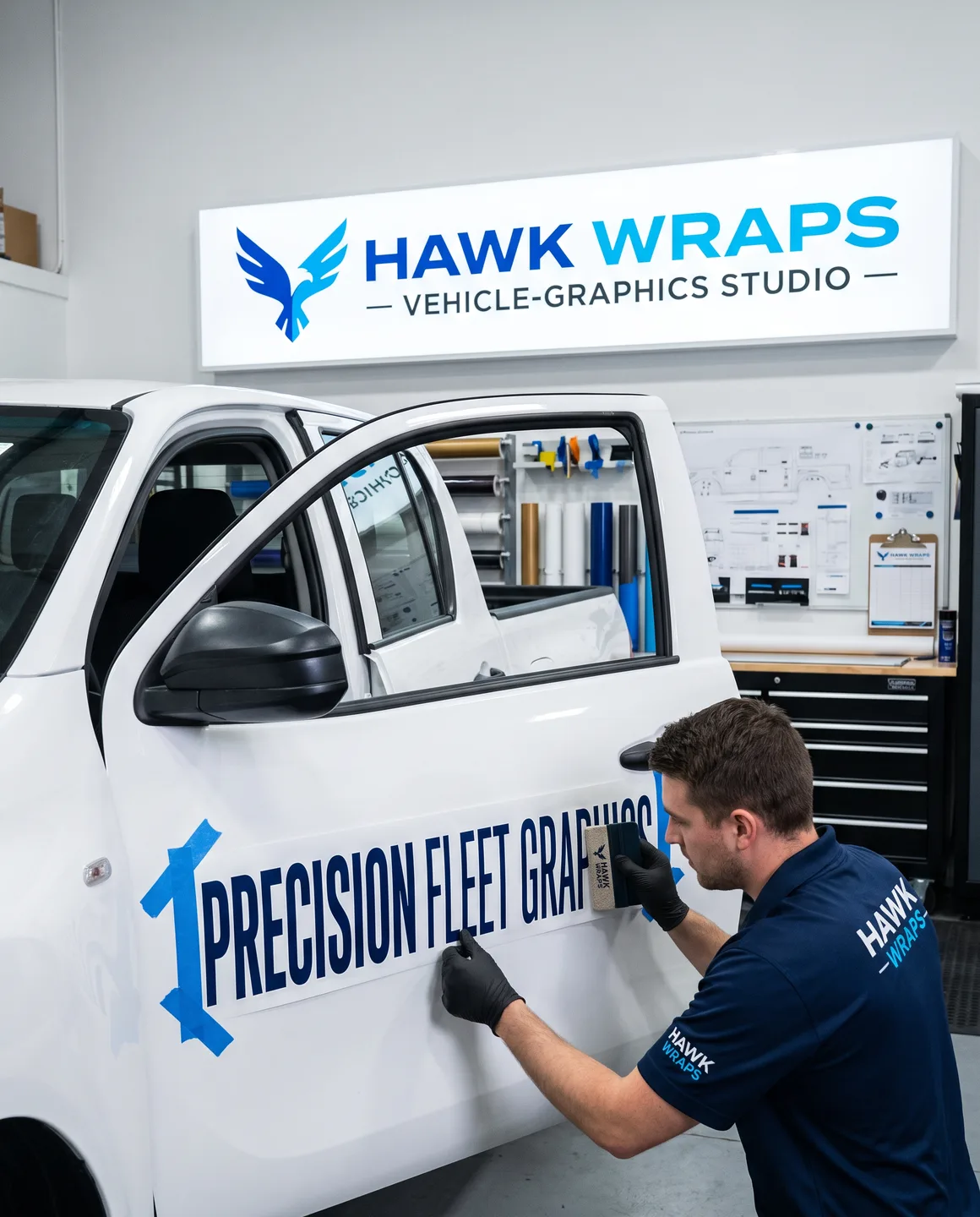
Vehicle Lettering & Decal Options
Door Lettering
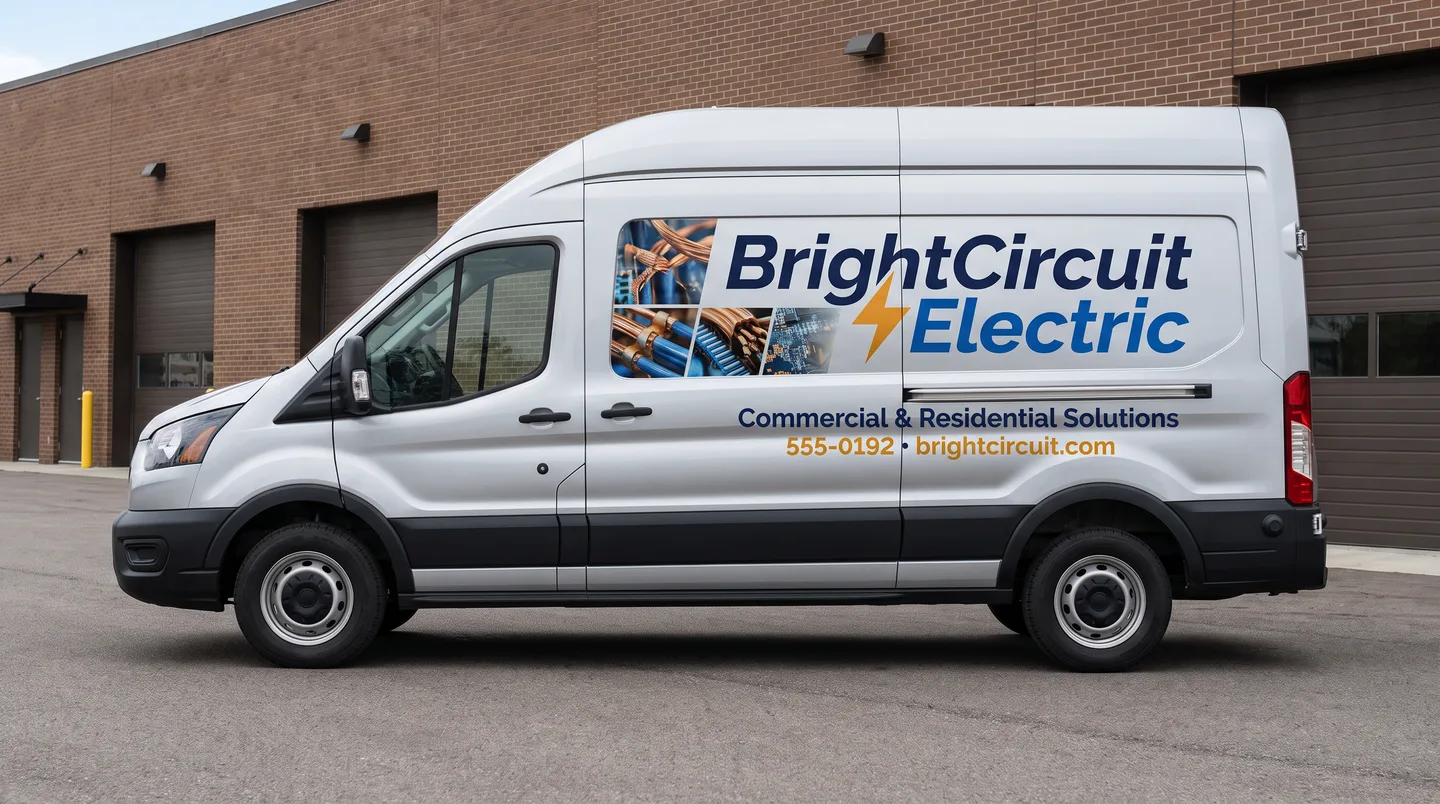
Company name and a focused response path sized for compatible truck, van, pickup, or service-vehicle doors. Placement respects handles, seams, trim, body lines, and the usable viewing area.
Logo Decals
Approved logo artwork produced as layered cut film or a printed and laminated decal, depending on colors, gradients, fine detail, size, surface, and expected use.
Spot Graphics
Icons, service categories, unit identifiers, equipment labels, and small visual accents placed where they support the message without requiring a partial or full wrap.
Customer-Supplied Operating IDs
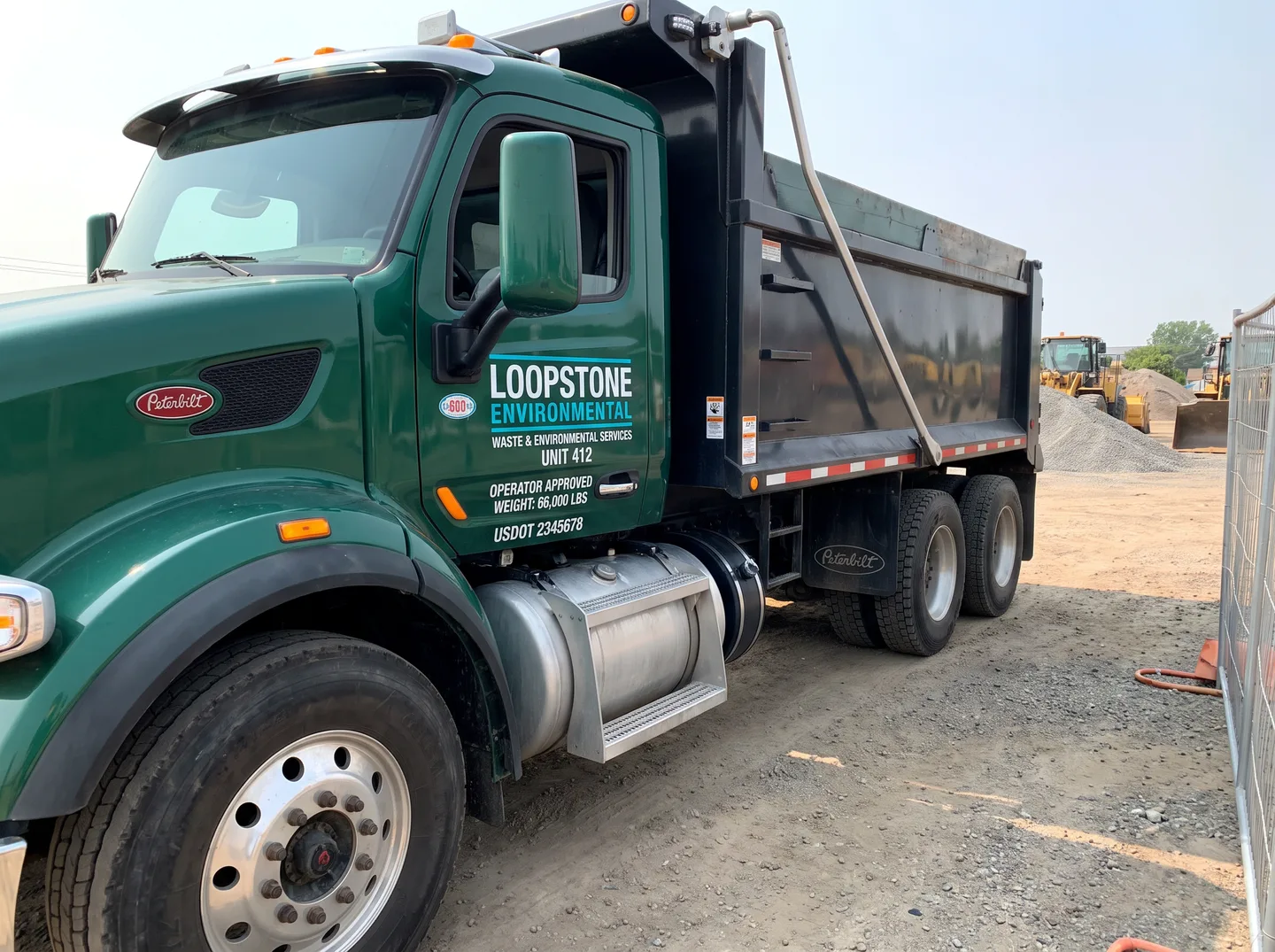
USDOT, carrier, weight, authority, municipality, address, unit, and other identifiers produced exactly from operator-approved wording, dimensions, contrast, sides, permanence, and placement.
Reflective Lettering
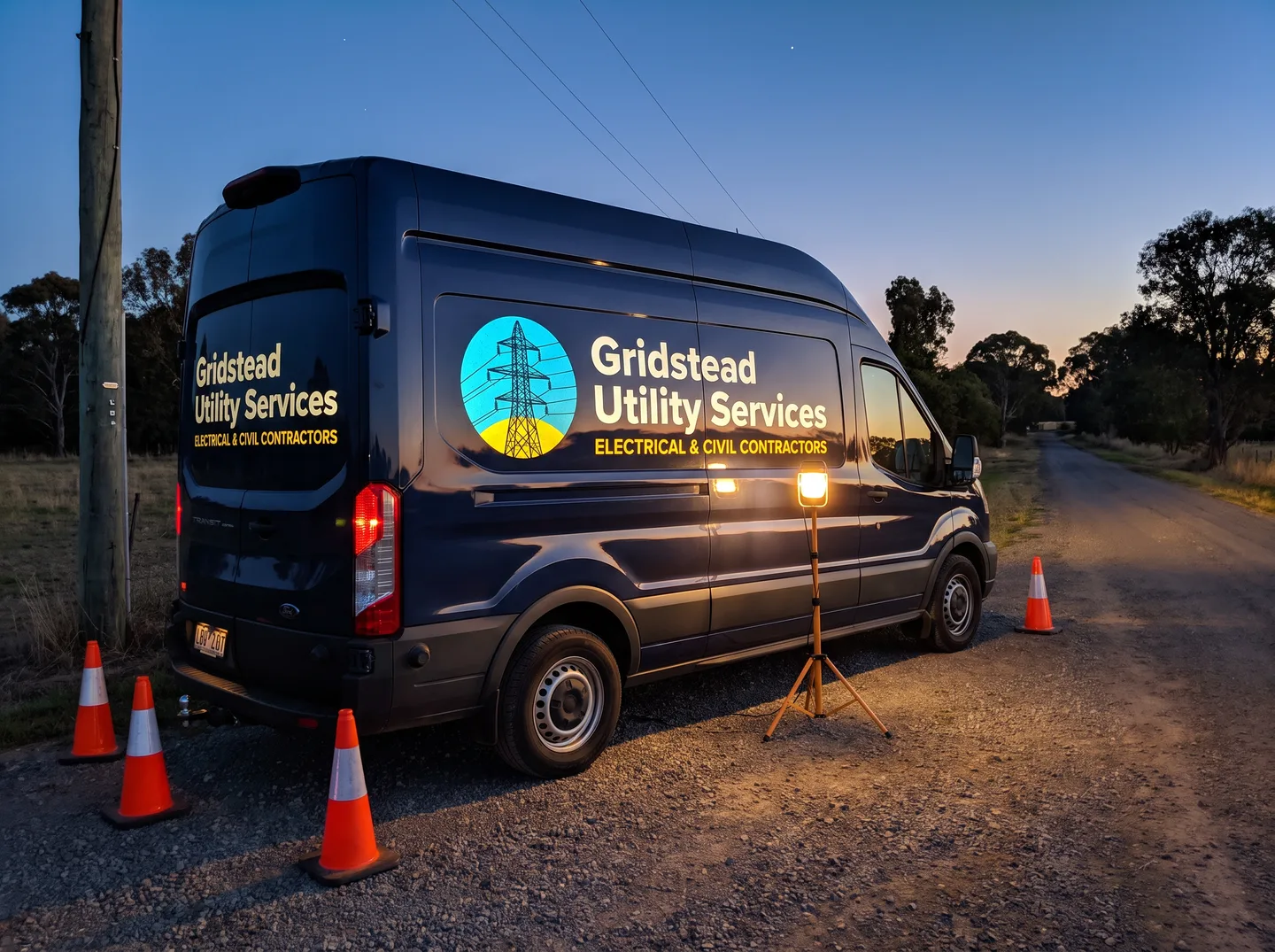
Reflective or conspicuity-oriented film for compatible approved applications. Product, color, placement, vehicle type, lighting, regulation, maintenance, and manufacturer guidance must be reviewed before use.
Magnetic Signs
Removable signs for clean, flat, ferromagnetic steel panels. They are not suitable for aluminum, fiberglass, plastic, heavily curved, damaged, filled, or otherwise incompatible surfaces.
Vehicle Lettering Cost Factors
A useful quote is based on the approved content, production method, actual vehicle, material, preparation, quantity, and installation plan.
| Lettering Scope | Typical Content | Quote Considerations |
|---|---|---|
| Focused Door Lettering | Name and one response path on selected doors | Side count, letter height, colors, vehicle template, spacing, surface and install access |
| Door Lettering + Logo | Name, approved logo and focused contact details | Artwork quality, cut versus print, size, colors, laminate, panel shape and quantity |
| Spot Graphics | Services, icons, equipment labels or unit IDs | Graphic count, detail, production method, placement, substrate and update frequency |
| Operating Identifiers | Customer-supplied names, USDOT or authority numbers, weights and locations | Exact approved wording, height, contrast, sides, permanence, format and placement |
| Reflective Lettering | Approved low-light identity or operational markings | Product suitability, colors, regulation, surface, placement, lighting and maintenance |
| Fleet Lettering System | Master identity plus unit-specific names, numbers or services | Vehicle roster, configuration differences, data accuracy, file control and rollout schedule |
| Old-Lettering Replacement | Removal, cleanup and updated graphics | Film age, adhesive, paint and repair condition, corrosion, residue and preparation |
| Magnetic Signs | Removable identity for compatible panels | Steel compatibility, flat area, size, edge clearance, cleaning, storage and driving use |
Send photos of each proposed panel, vehicle year and model, surface measurements, approved artwork, exact wording, letter-height or legibility specifications, colors, material preferences, old-graphic condition, vehicle count, location, and target date. Regulatory or operating content should come from the carrier's current written requirements—not from a generic package name.
Start With the Requirements That Apply to Your Operation
Vehicle lettering requirements can depend on the operating carrier, registration, ownership or lease, interstate or intrastate commerce, vehicle type and weight, passengers, cargo, authority, route, and local rules. Hawk Wraps produces approved graphics; the carrier or operator determines what must be displayed.
Federal Starting Point: FMCSA Vehicle Marking
FMCSA guidance for covered commercial motor vehicles addresses the operating carrier's legal or single trade name and USDOT identification on the power unit, along with visibility and presentation requirements. Applicability and special cases—including rentals, leases, multiple carriers, passenger operations, and intermodal equipment—should be confirmed for the actual operation.
- Confirm which legal name or single trade name matches the carrier record
- Confirm the exact USDOT identifier and any required prefix, suffix, or operating-carrier language
- Confirm applicable sides, contrast, placement, permanence, maintenance, and legibility standard
Verify With NJ MVC
- Vehicle registration and commercial-use classification
- Owner, lessee, or lessor name and any municipality information
- Weight-related content, fleet exceptions, letter height, and plain-view placement
- Interaction with federal or authority-specific identifiers
Verify State and NYC Rules Separately
- Registration, commercial-vehicle or truck classification, and vehicle alteration
- Registrant or owner name and address content
- Sides, permanence, character height, contrast, and vertical placement
- Different rules that may apply outside New York City or under an operating authority
Verify With Connecticut DMV and FMCSA
- Intrastate or interstate commerce
- Vehicle or combination weight, passengers, and hazardous materials
- Carrier registration status and exact DOT record information
- Federal marking rules and any Connecticut-specific obligations
Verify With PennDOT, PUC and FMCSA
- Interstate or intrastate carrier status and PUC certificate conditions
- Carrier name, city and state, PUC or USDOT identification, and current format
- Vehicle marking, IFTA or motor-carrier road-tax decals, and other separate programs
- Sides, dimensions, placement, exemptions, and the authority responsible for each item
| Approval Item | What the Operator Provides | What Hawk Wraps Checks |
|---|---|---|
| Operating name | Exact legal or approved trade name and record match | Spelling, capitalization, line breaks, and fit on the designated panel |
| Identification numbers | Exact prefix, number, suffix, punctuation, and association with the operating carrier | Proof accuracy against the supplied written source |
| Location or address | Required municipality, city/state, or full address wording, if applicable | Line length, hierarchy, panel space, and approved placement |
| Weight or unit data | Exact GVW, GVWR, GCWR, unit number, or other required data | Data-to-vehicle assignment across the fleet roster |
| Size and legibility | Required character height, stroke, contrast, viewing distance, and permanence | Whether the approved specification fits and contrasts on the proposed surface |
| Sides and placement | Required doors, body sides, power units, trailers, or other locations | Conflicts with handles, seams, trim, lights, reflectors, windows, or equipment |
| Special programs | Authority, permit, tax, waste, passenger, hazmat, lease, or contract markings | Production only after the responsible authority and approved artwork are identified |
| Approval record | Written confirmation from the carrier, owner, lessor, agency, or qualified advisor | Approved proof and production file retained with the project |
Before You Approve the Lettering Proof
- Check the exact legal or trade name against the current carrier and registration records
- Check every identifier, prefix, suffix, weight, address, municipality, unit, and permit character by character
- Confirm which sides, vehicles, trailers, and operating configurations require each item
- Confirm character height, contrast, placement, permanence, visibility, and special-material requirements
- Obtain lessor, authority, agency, or customer approval where the operation requires it
Hawk Wraps can flag production and fit issues, but we do not register carriers, determine operating authority, interpret the law for a specific operation, or guarantee that a lettering layout creates compliance. When in doubt, confirm with the enforcing agency or a qualified carrier-compliance or legal advisor before production.
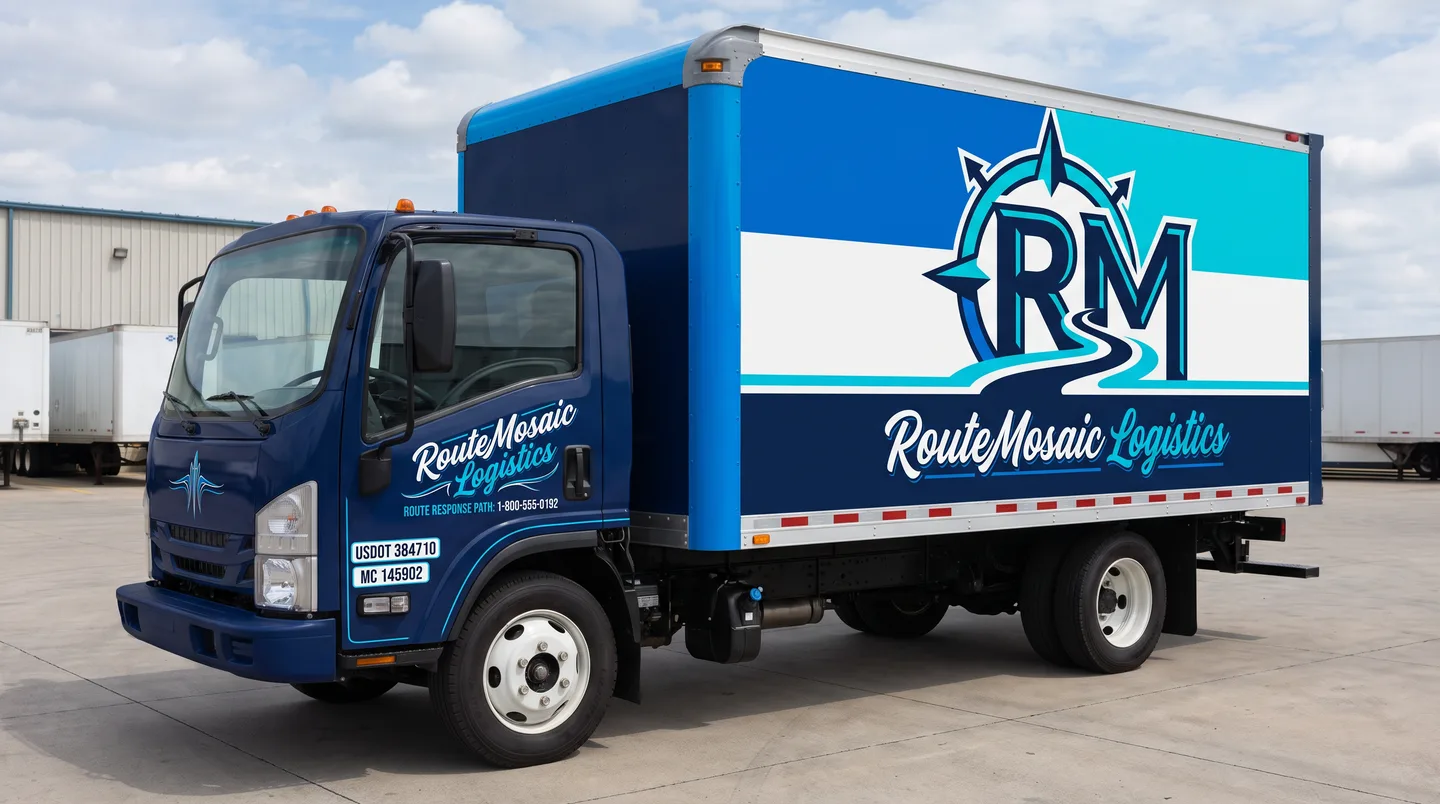
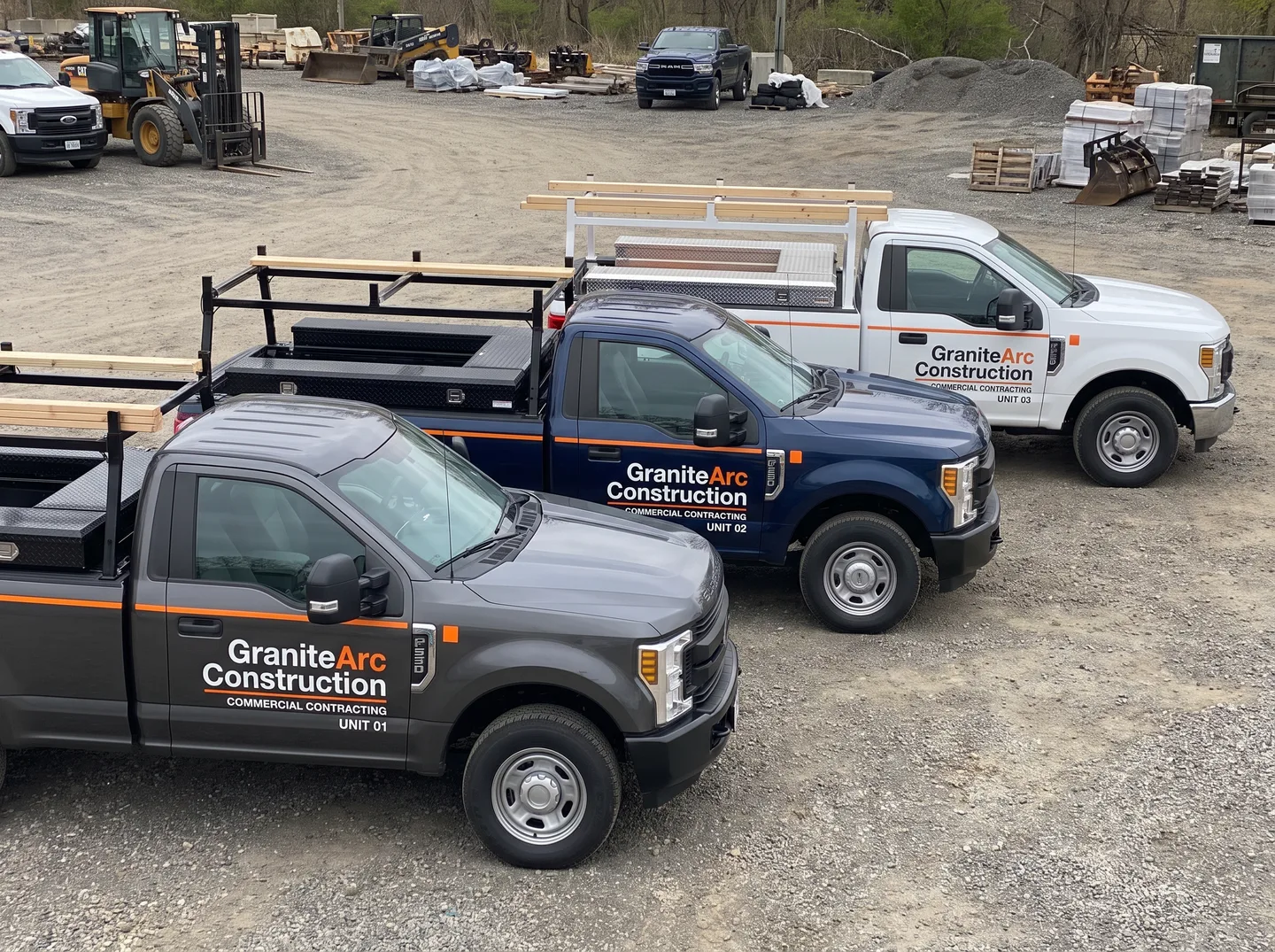
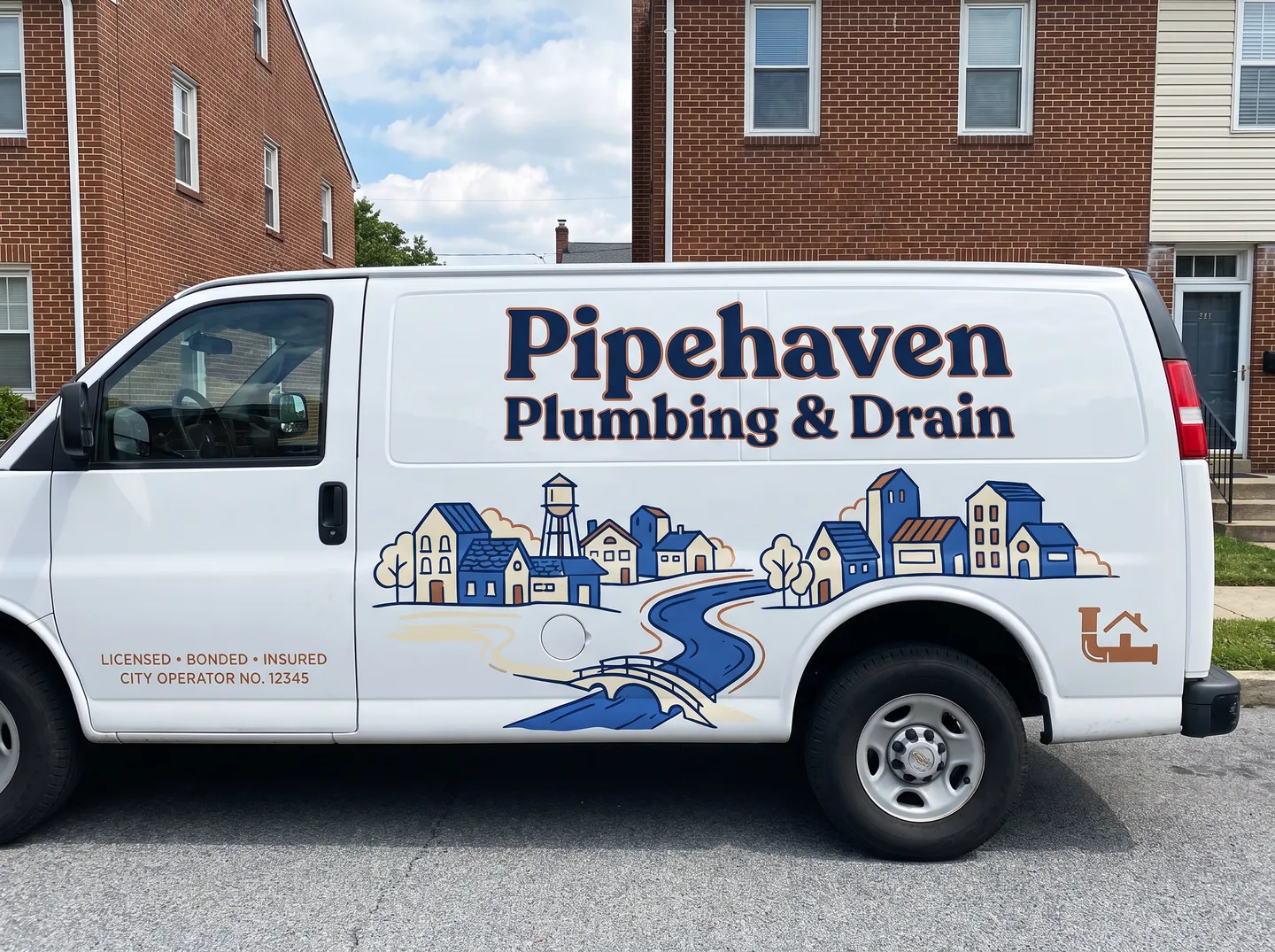
Vehicle Lettering Layout Concepts
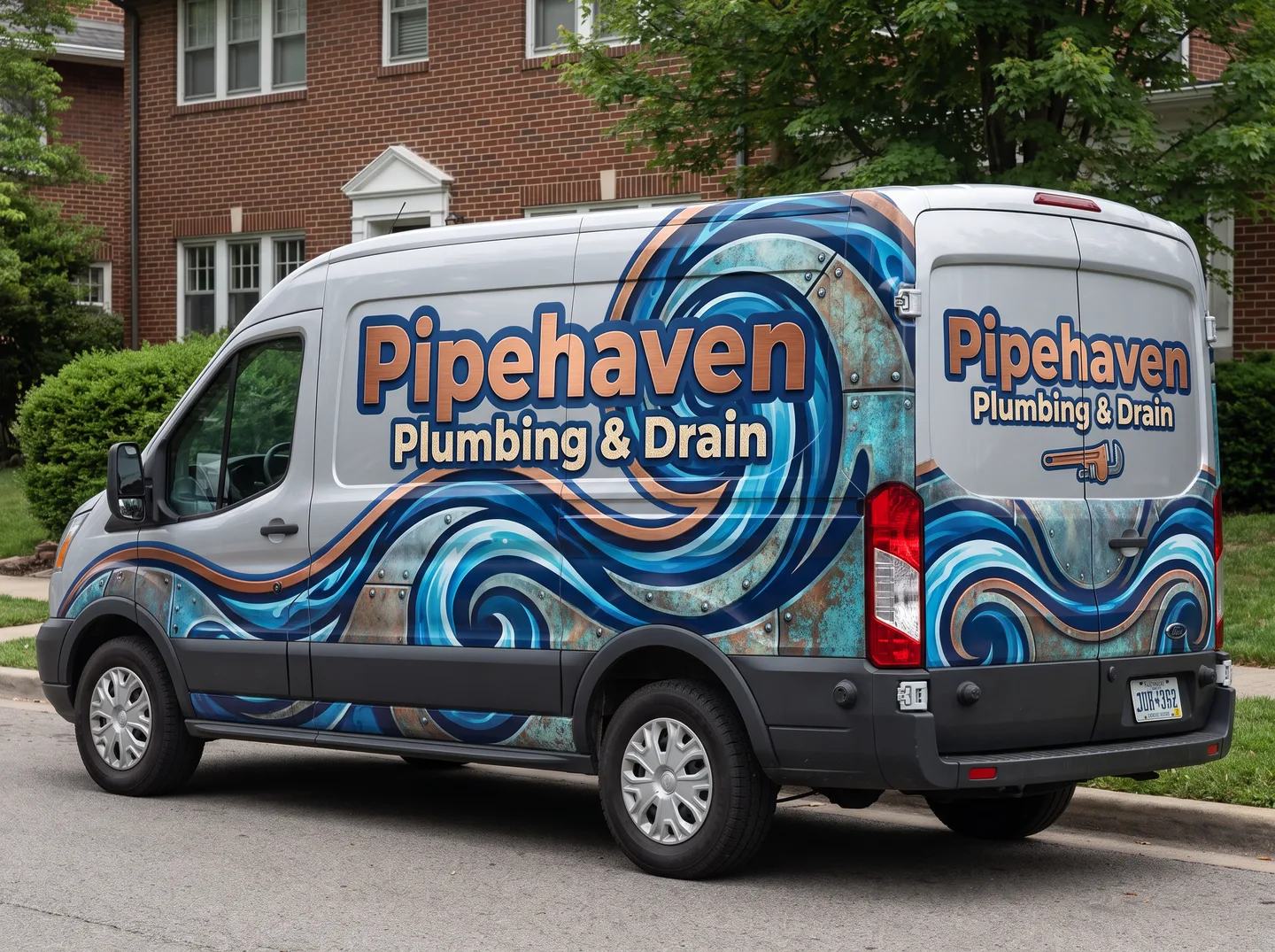
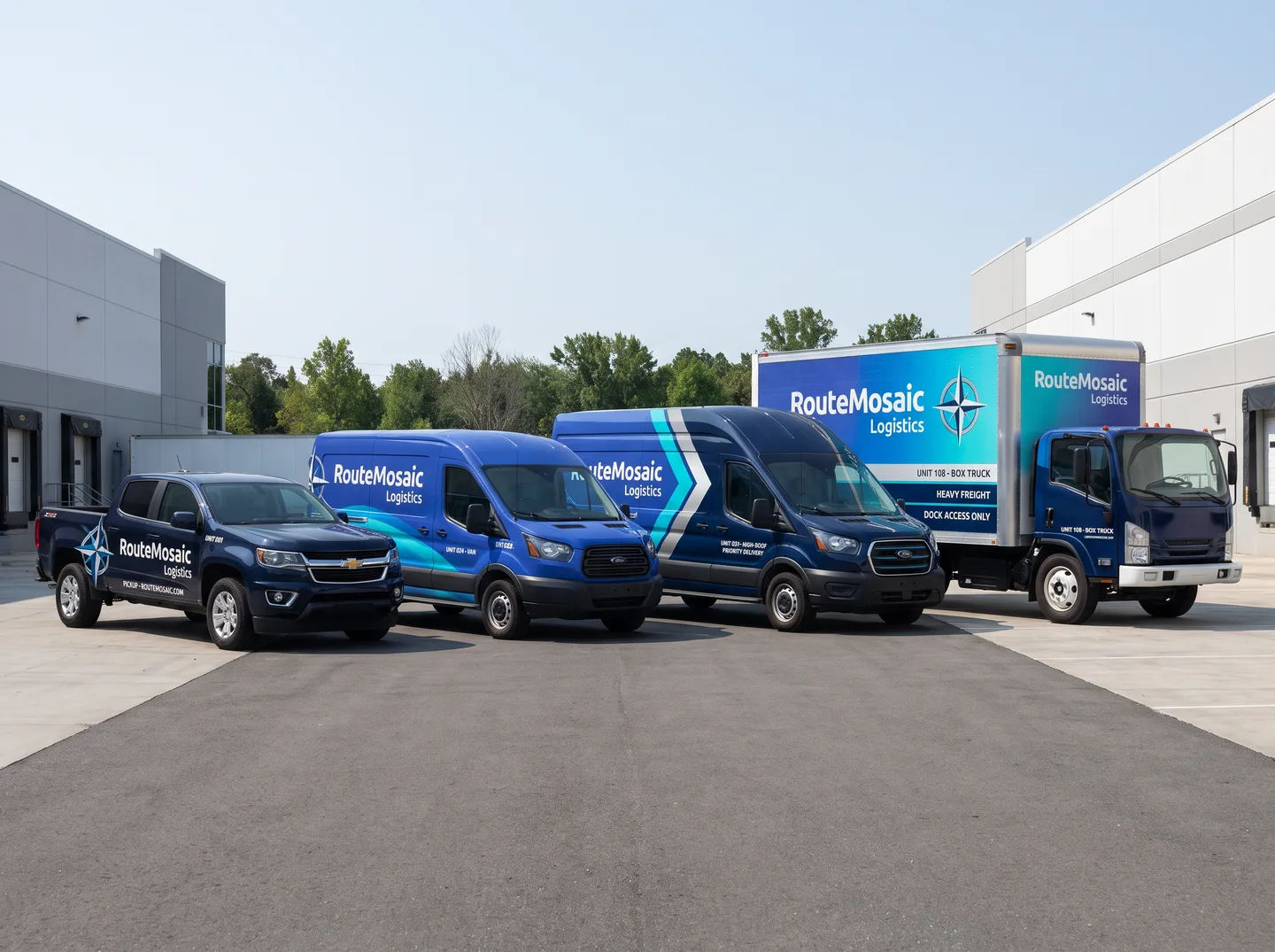
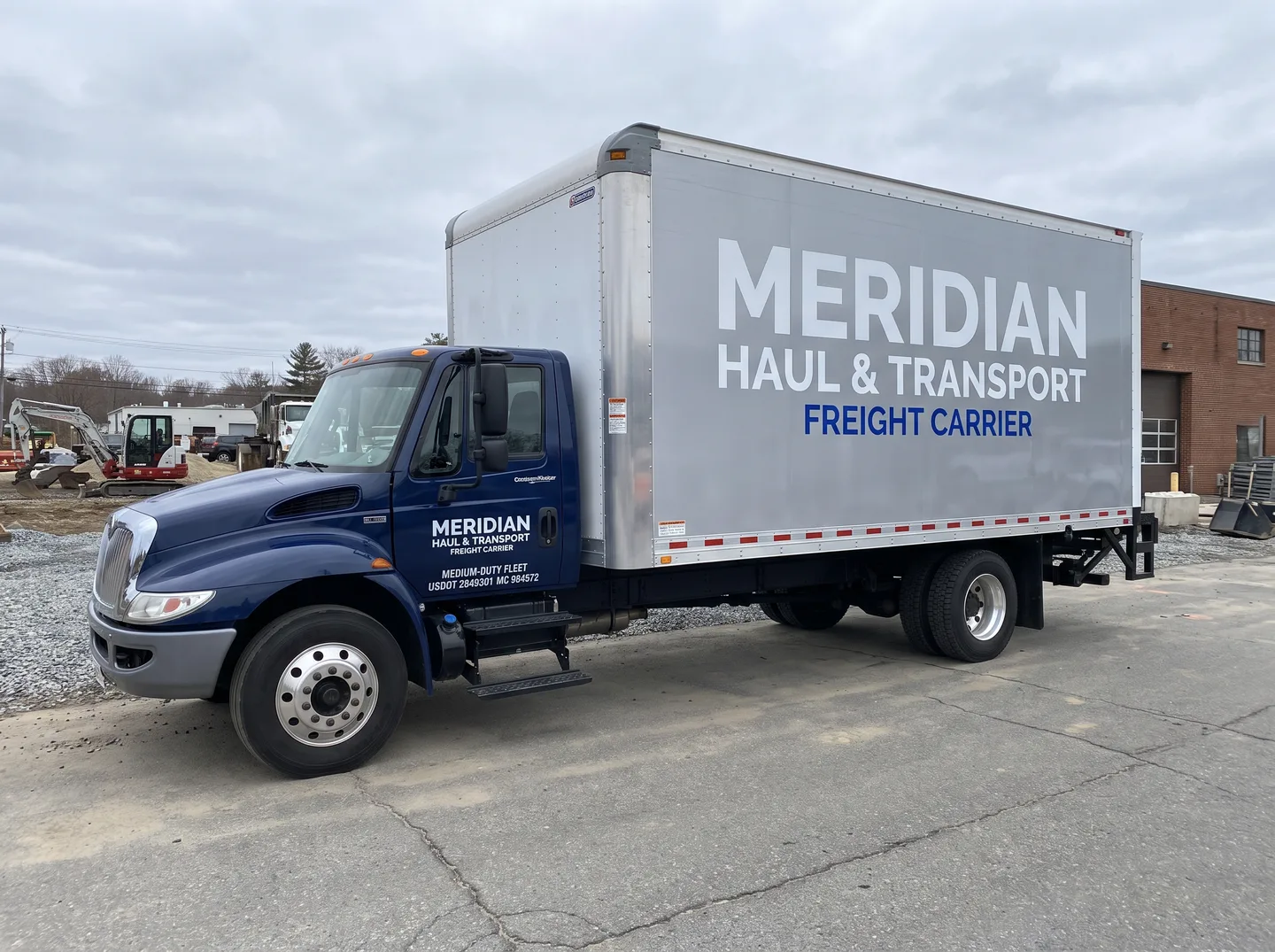
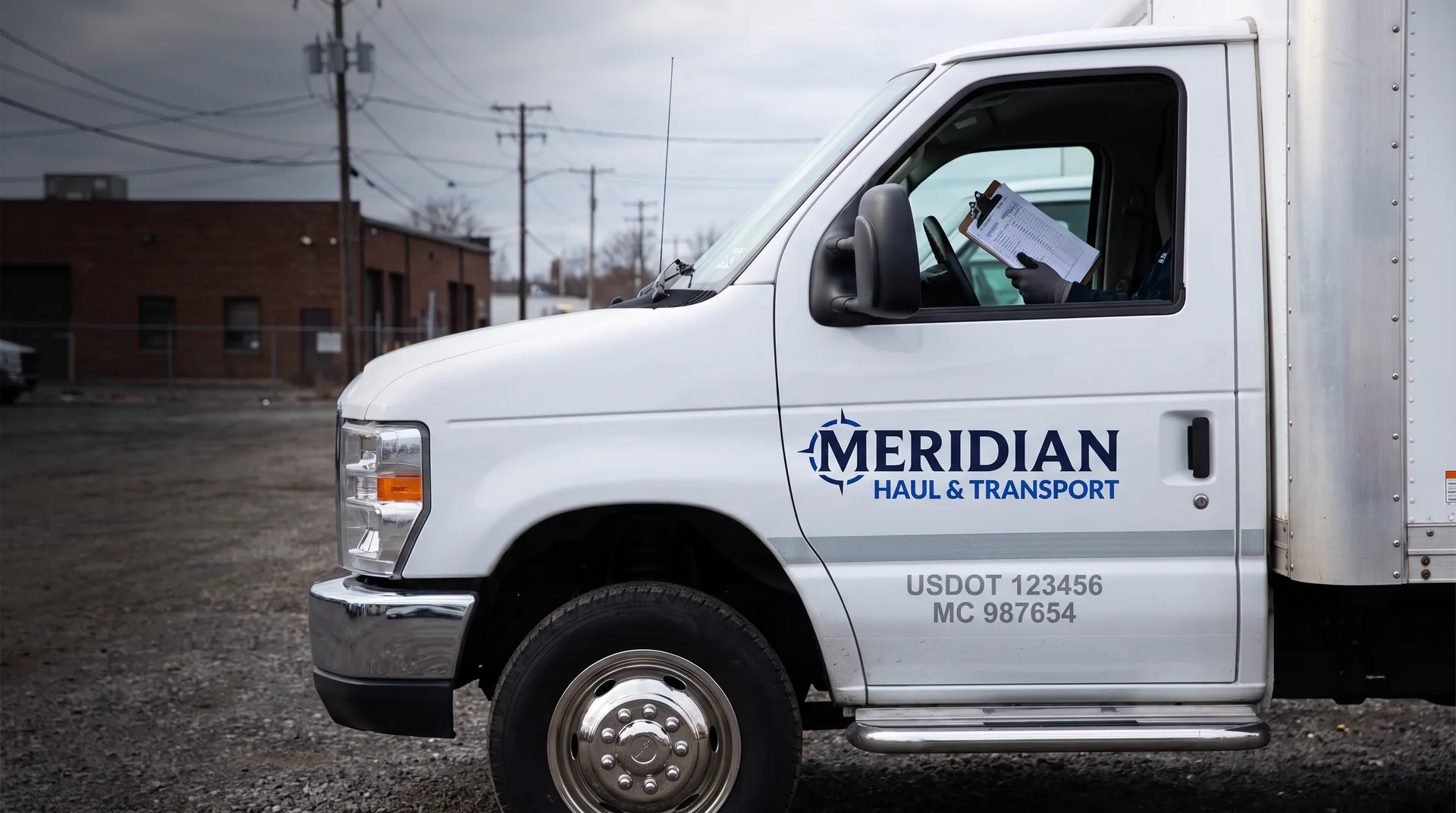
These image slots show how focused identity and operator-approved identifiers can adapt across common commercial vehicle configurations.
Ready for More Than Lettering?
Lettering is often the right choice when the vehicle color already supports the brand and the message is short. A partial or full wrap becomes useful when you need a connected background, larger imagery, stronger color change, or more visual separation. Existing lettering may need removal rather than being built into a future wrap, so photograph and archive the approved identity before changing coverage.
How Vehicle Lettering Works
Content & Vehicle Review
Share photos, measurements, vehicle count, approved logo files, message priorities, surface condition, and target date. For operating identifiers, provide the exact current wording, numbers, sizes, sides, contrast, permanence, and placement approved by the responsible authority or advisor.
Proof & Data Approval
We build a legible layout around the actual doors and panels, select a compatible cut, printed, reflective, or magnetic method, and prepare vehicle- or unit-specific proofs. The owner or operator checks every letter and number before written approval.
Production, Preparation & Installation
Approved graphics are produced in-house, labeled by vehicle and side, and installed on prepared compatible surfaces. Final review checks alignment and proof accuracy; the operator completes any required compliance or release inspection before the vehicle returns to service.
Vehicle Lettering & Operating-ID FAQs
How much does vehicle lettering cost?
Can you do same-day lettering and DOT compliance?
What lettering is required on commercial vehicles in NJ?
What are the NYC commercial vehicle lettering requirements?
Does Connecticut have additional DOT requirements?
What is a PA PUC number and do I need it?
I operate in multiple states. What do I need?
What size does DOT lettering need to be?
How long does vinyl lettering last?
Will lettering damage my vehicle's paint?
What's the difference between lettering and a wrap?
What happens if my vehicle isn't DOT compliant?
Vehicle Lettering Reviews
Recent feedback from Hawk Wraps clients across New Jersey, New York, and Connecticut.
We didn't need full wraps, just clean branding and updated DOT lettering for our service vans. Tito made sure everything was properly sized, easy to read, and professionally installed. The vans look much cleaner now while staying fully compliant.
Alex helped us redesign our vehicle lettering after we updated our logo. The layout is simple, easy to read from the road, and much more professional than what we had before. Installation was clean, and every vehicle matches perfectly.
Our fleet needed DOT numbers, licensing information, and company branding updated across several vans. Gabby kept everything organized and made the approval process straightforward. The finished vehicles look professional without being overcrowded.
We've used lettering on our trucks for years, but this installation is by far the cleanest we've had. Luis paid close attention to alignment and spacing, and the finished graphics look factory installed. Great experience overall.
Sometimes simple branding works best. Tito helped us create a clean lettering package that includes our logo, phone number, and DOT information without making the vans look cluttered. We've already received compliments from customers.
Get a Vehicle Lettering Quote
Tell us about the vehicle, panel sizes, message, logo files, surface condition, quantity, location, and target date. Include the exact approved specifications for any operating or regulatory identifiers.