Cargo & High-Roof Vans
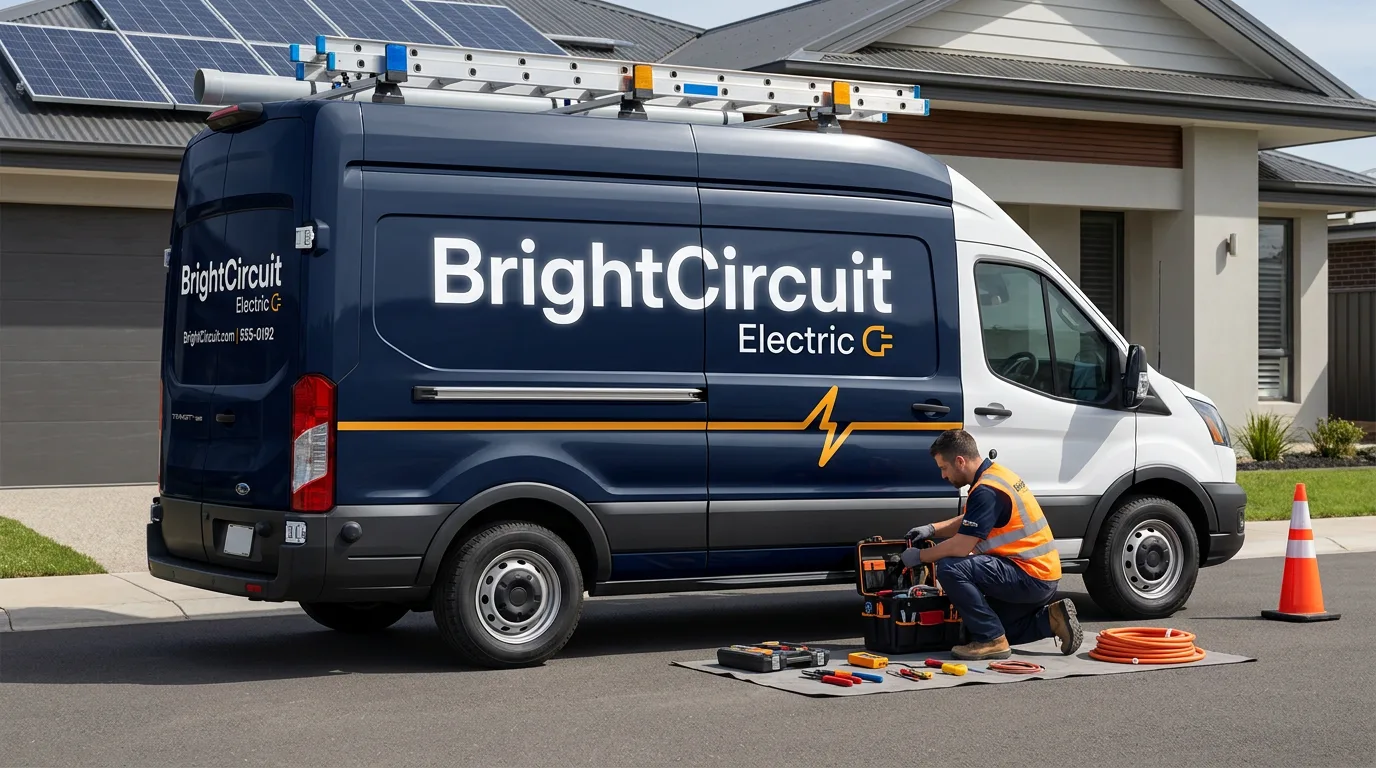
Use broad side and rear surfaces while planning around ladders, conduit carriers, doors, cameras, and shelving access.
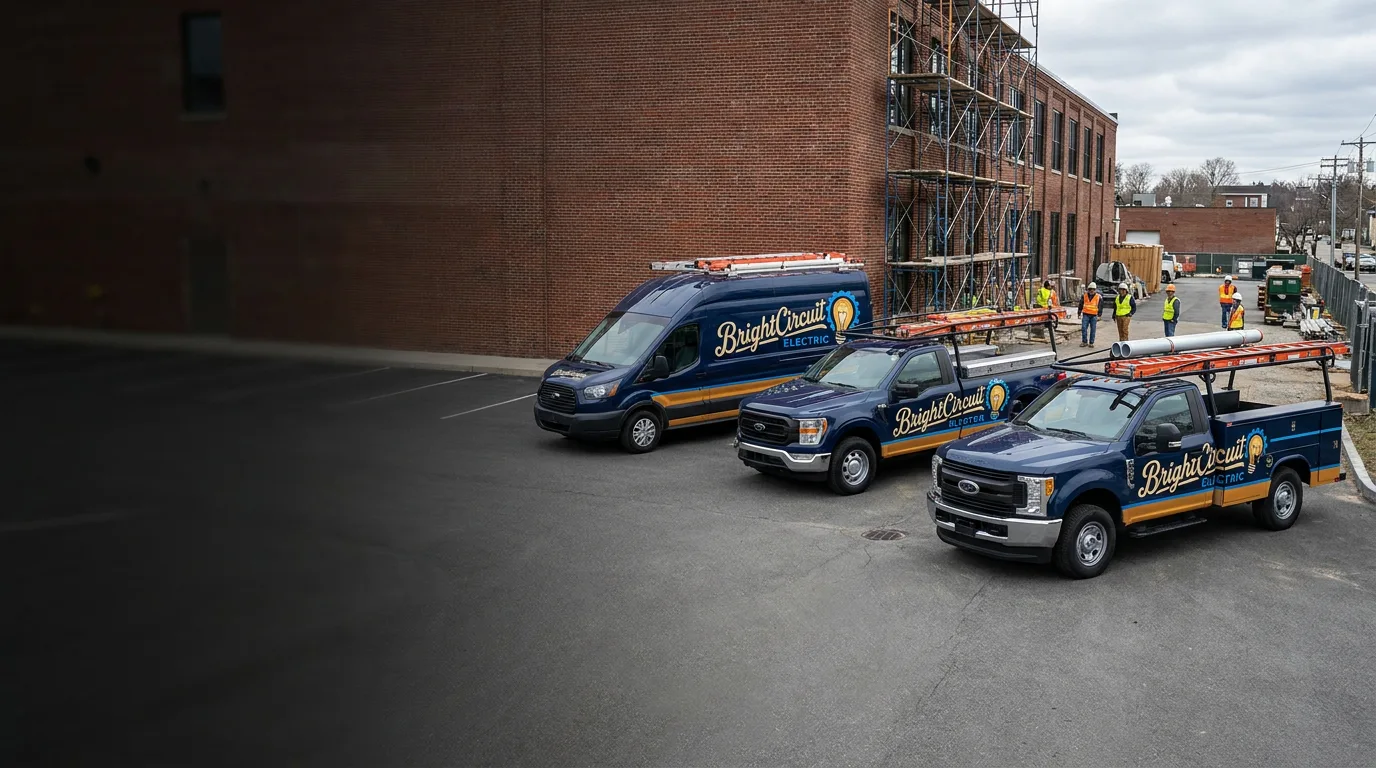
Build equipment-aware graphics for electrician vans, pickups, service bodies, bucket trucks, and trailers—organized for residential, commercial, industrial, low-voltage, and specialty electrical work.
An electrical fleet may include a compact estimator vehicle, rack-equipped vans, service-body pickups, bucket trucks, and trailers. The brand must remain recognizable while each body supports a different task.
We build the hierarchy around the company, electrical category, one useful response path, and the approved service context. Equipment, access, required identifiers, and owner-supplied safety or operating information shape the layout before artwork is finalized.
Licenses, certifications, union marks, guarantees, response claims, service qualifications, and regulatory content must be current and authorized by the contractor. Hawk Wraps places approved information; it does not determine the operator's legal requirements.
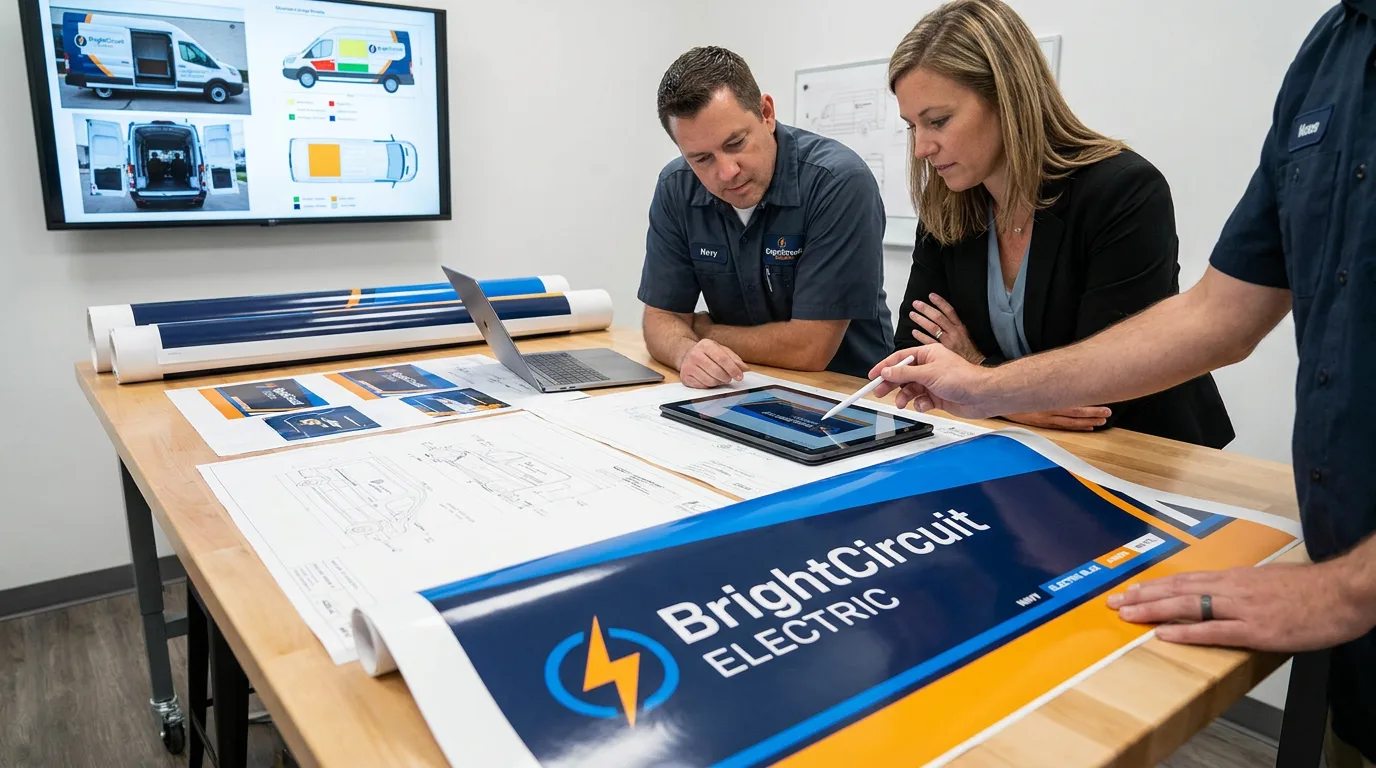
Racks, compartments, booms, tools, access, and route conditions can change the usable graphic area.
Use broad side and rear surfaces while planning around ladders, conduit carriers, doors, cameras, and shelving access.
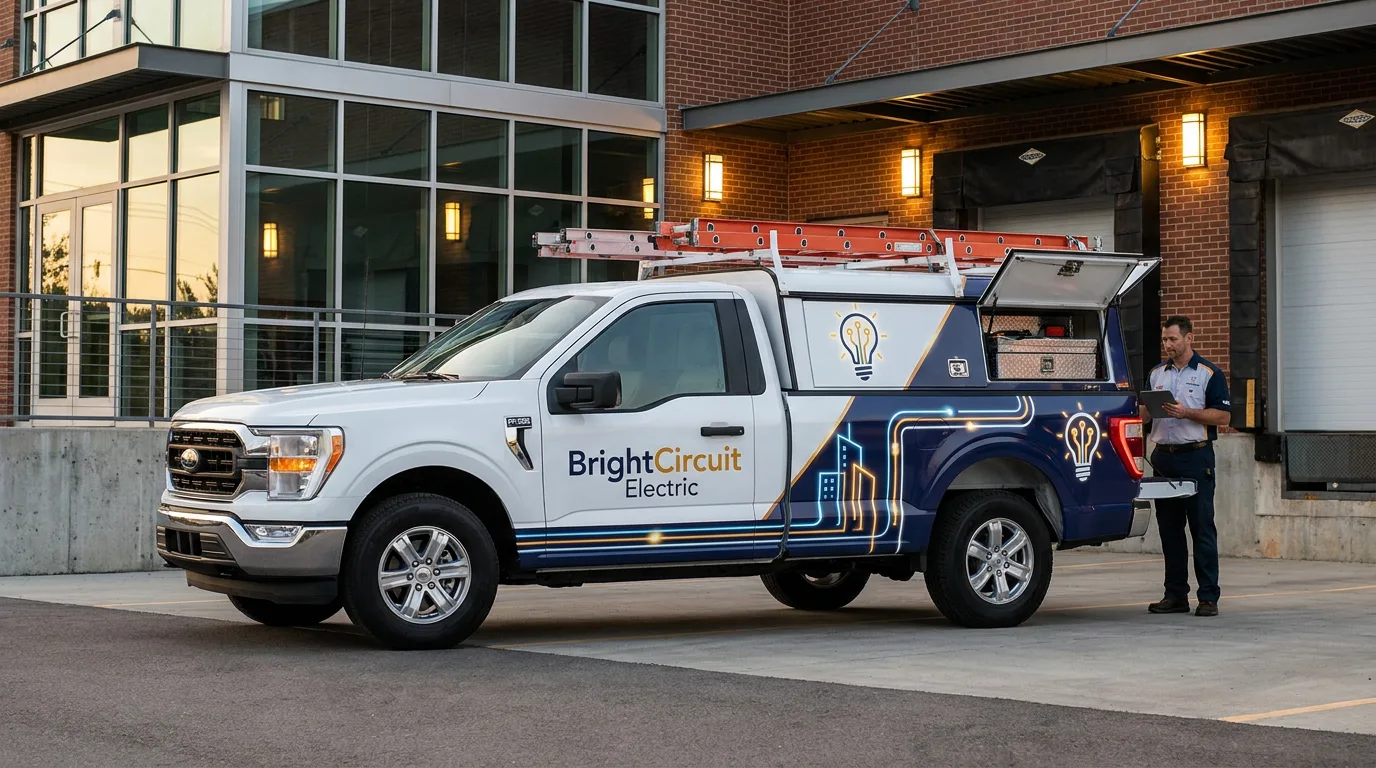
Coordinate cab, bed, cap, toolbox, and tailgate graphics without putting key copy behind equipment.
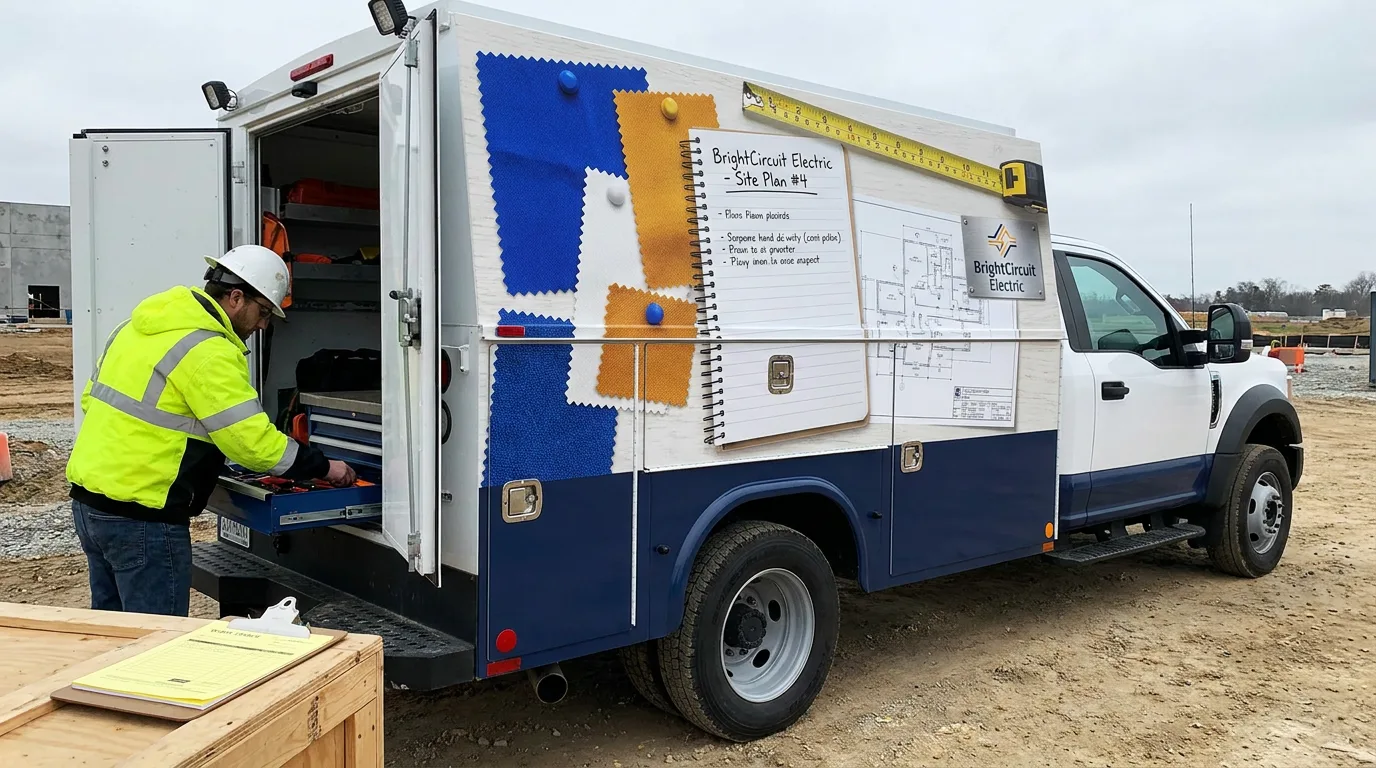
Build across compartment doors while preserving handles, steps, lighting, cranes, and operating information.
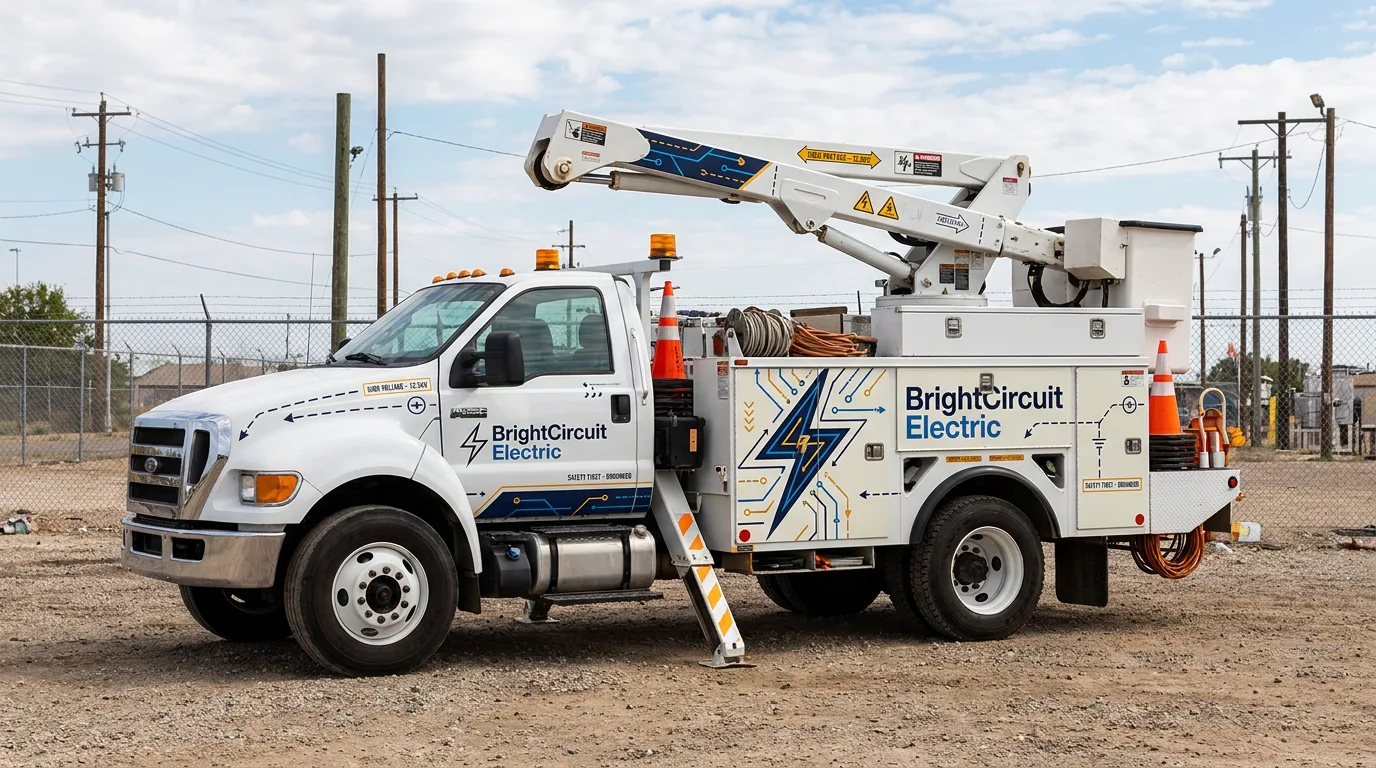
Keep booms, stabilizers, warning equipment, lights, labels, and operator-identified clearance areas unobstructed.
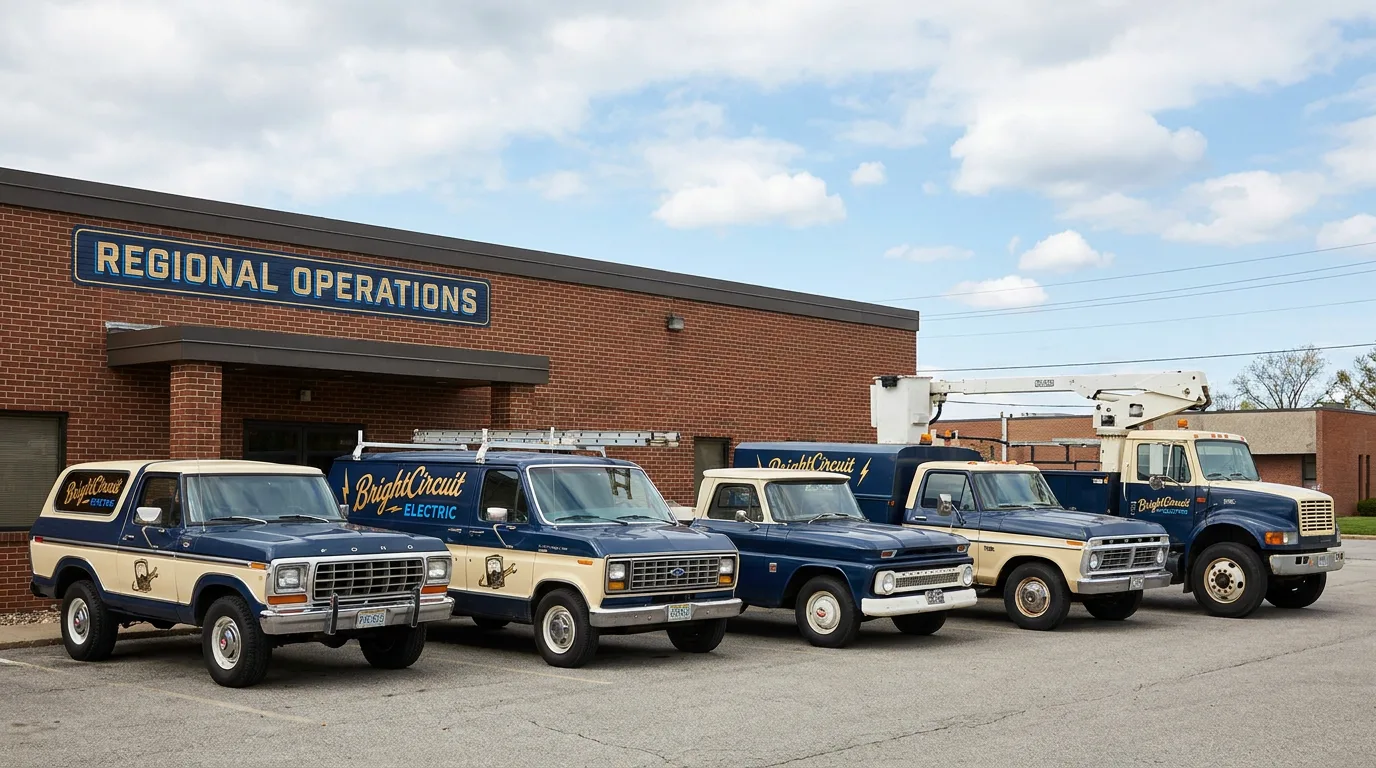
Use consistent brand zones and vehicle records so sales, service, project, and specialty units read as one company.
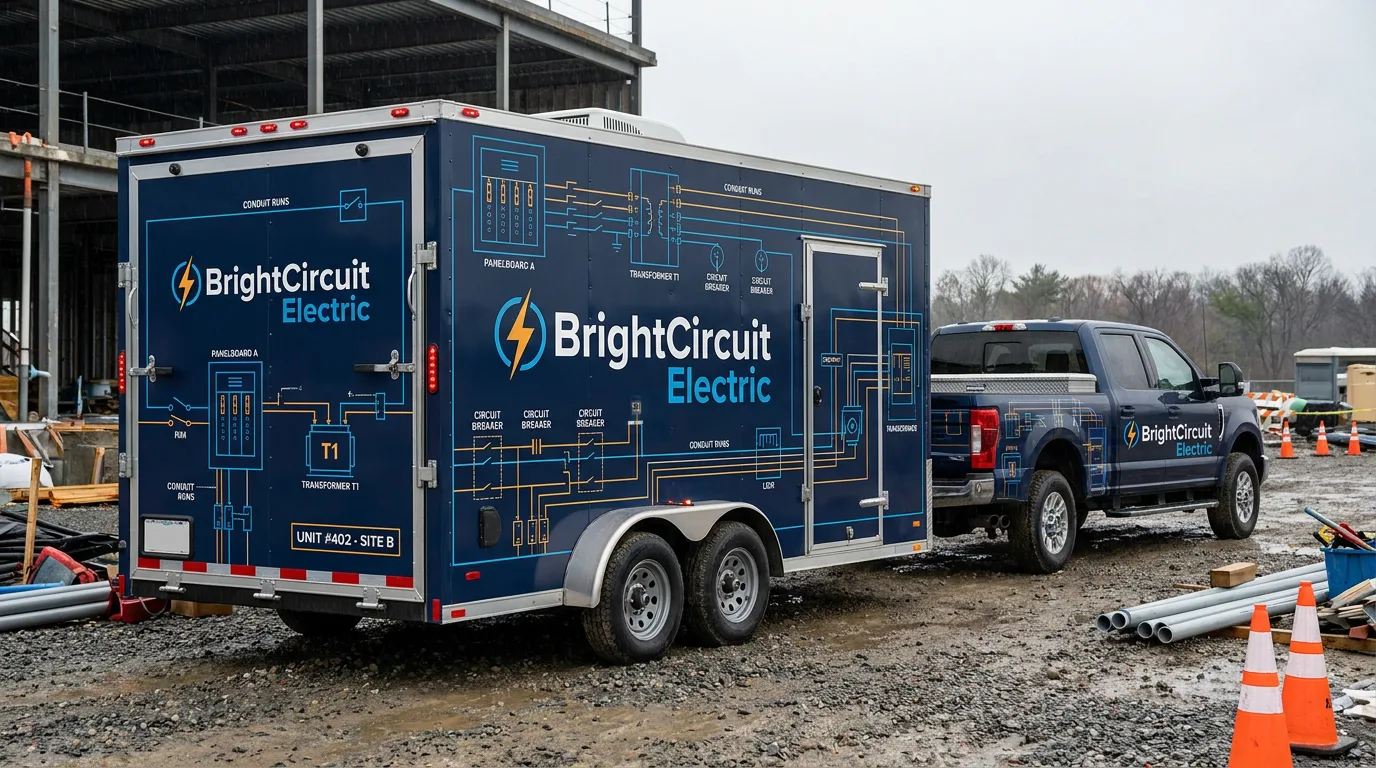
Extend fleet recognition to trailers while preserving doors, lights, reflectors, tie-downs, and required owner-supplied data.
Residential service, commercial projects, industrial maintenance, controls, low-voltage, EV charging, solar, generators, and emergency response may belong in the system—but they should not all compete at the same size. Select the categories that match the vehicle's actual role and the customers it serves.
Prioritize a professional arrival, core category, service area if useful, and one booking path.
Use a controlled brand system for jobsite recognition, project teams, and fleet consistency.
Favor technical clarity over decorative clutter, with owner-approved specialties and credentials.
Differentiate systems, data, security, or controls work only when the business actually offers it.
Add EV, solar, generator, or energy-service language as verified service categories, not unsupported performance claims.
Use hours and response wording only after the contractor confirms staffing, availability, and approved language.
High contrast, type size, placement, cleanliness, lighting, viewing angle, and selected reflective elements can work together. Graphics never replace required lights, warning systems, conspicuity materials, traffic control, or safe operating practices.
Separate the brand and primary copy from the background under ordinary route conditions.
Set key information for distance and speed rather than filling panels with small type.
Keep critical copy away from rack shadows, compartments, wheel arches, open doors, and busy hardware.
Use reflective accents only where appropriate to the approved design, vehicle, material, and operating context.
Preserve owner-identified lights, warning markings, reflectors, labels, and equipment clearances.
Give following traffic a simplified brand, category, and response path.
Record bodies, racks, compartments, booms, tools, ownership, surfaces, variants, and owner-supplied requirements.
Set the brand, electrical category, response path, approved specialties, and required information.
Proof the design against the correct work body, open doors, equipment, lights, cameras, and operational access.
Produce and install approved graphics, then preserve vehicle records for future units and panel replacements.
Share the work bodies, equipment, service divisions, and approved information that should shape the design.