Custom RV Wraps
for Coaches That Stand Out
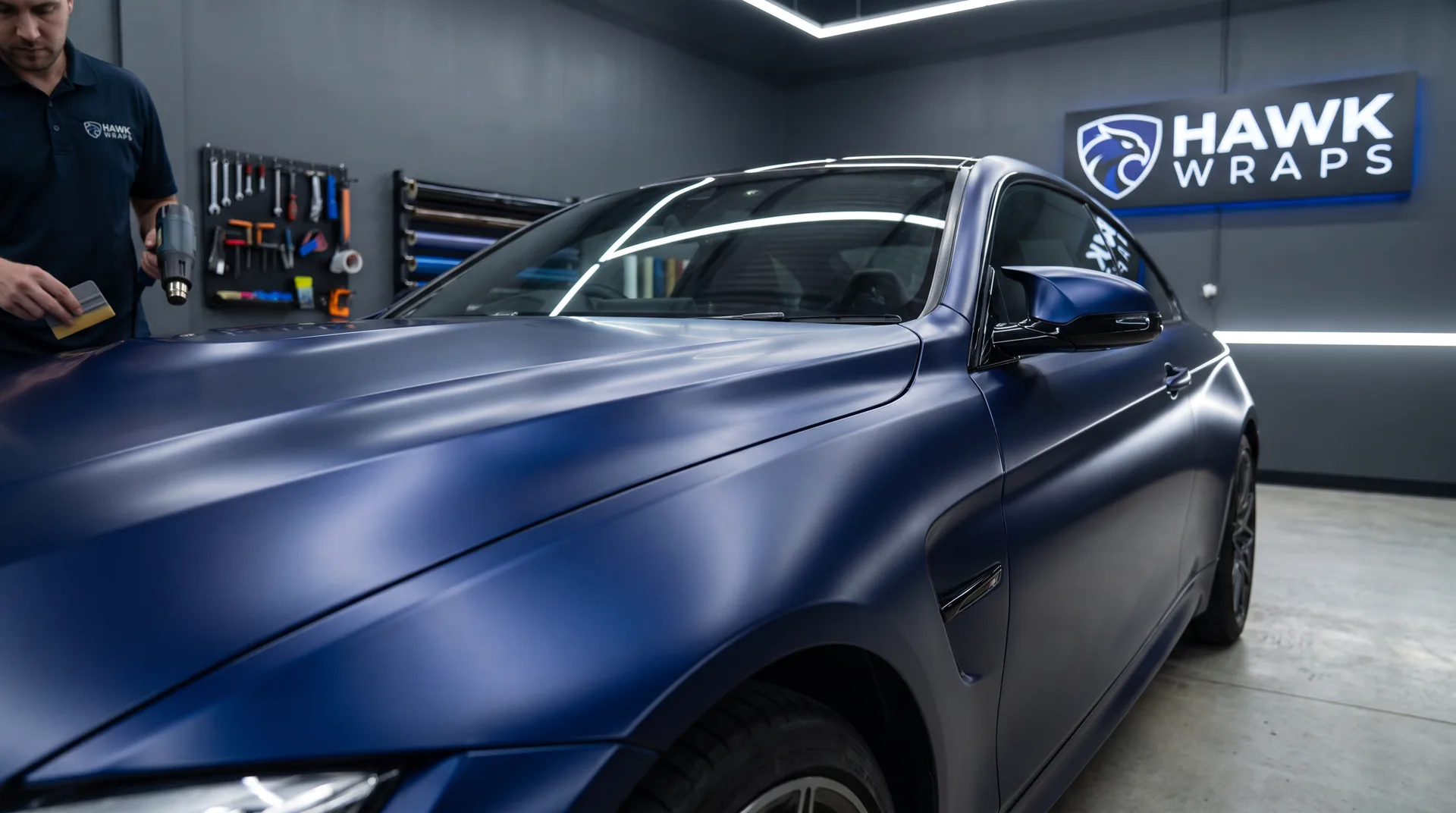
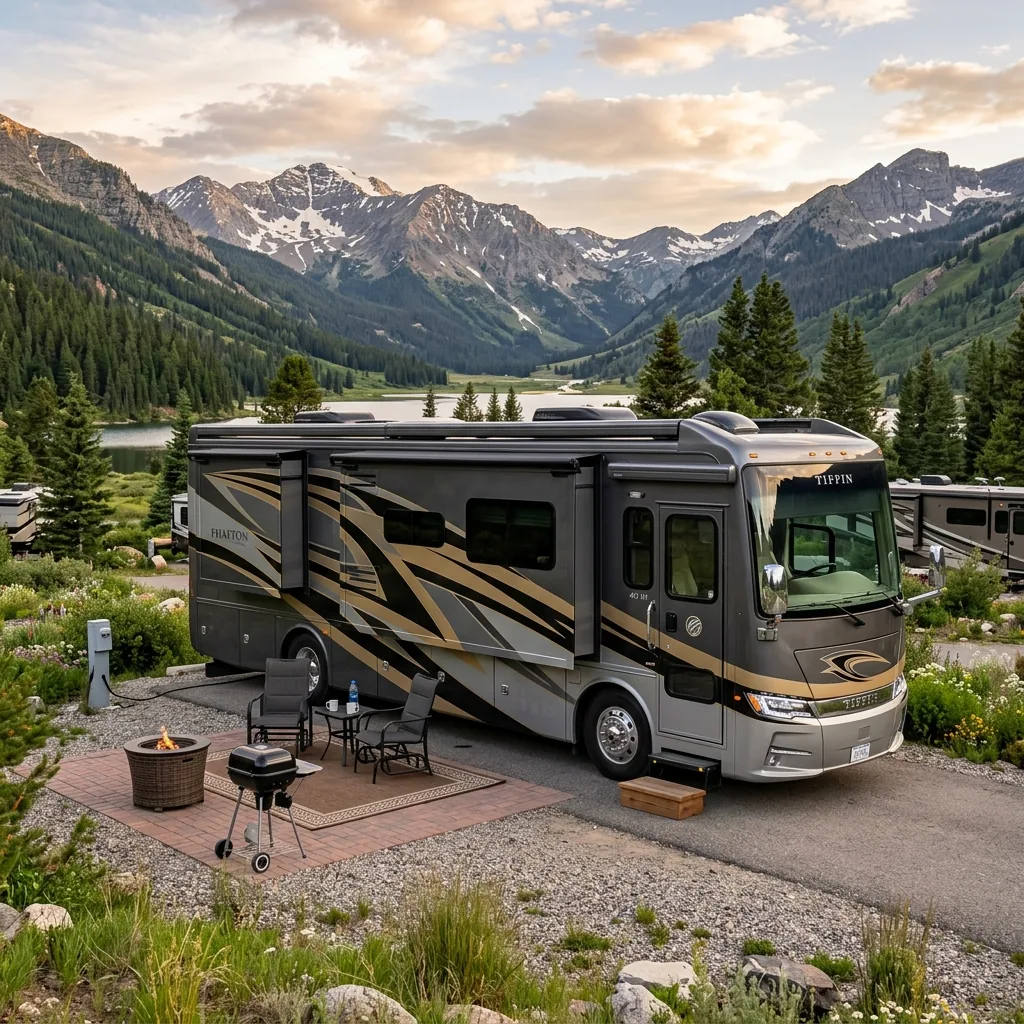
Restyle a Class A, B, or C motorhome, travel trailer, fifth wheel, or toy hauler with a custom color change or full graphic wrap in marine-grade cast vinyl. We plan around slide-outs, caps, storage doors, seals, and textured sidewalls, then print, laminate, and install the graphics in-house in Linden, NJ.
Vinyl Restyles a Coach Without the Cost of Repainting
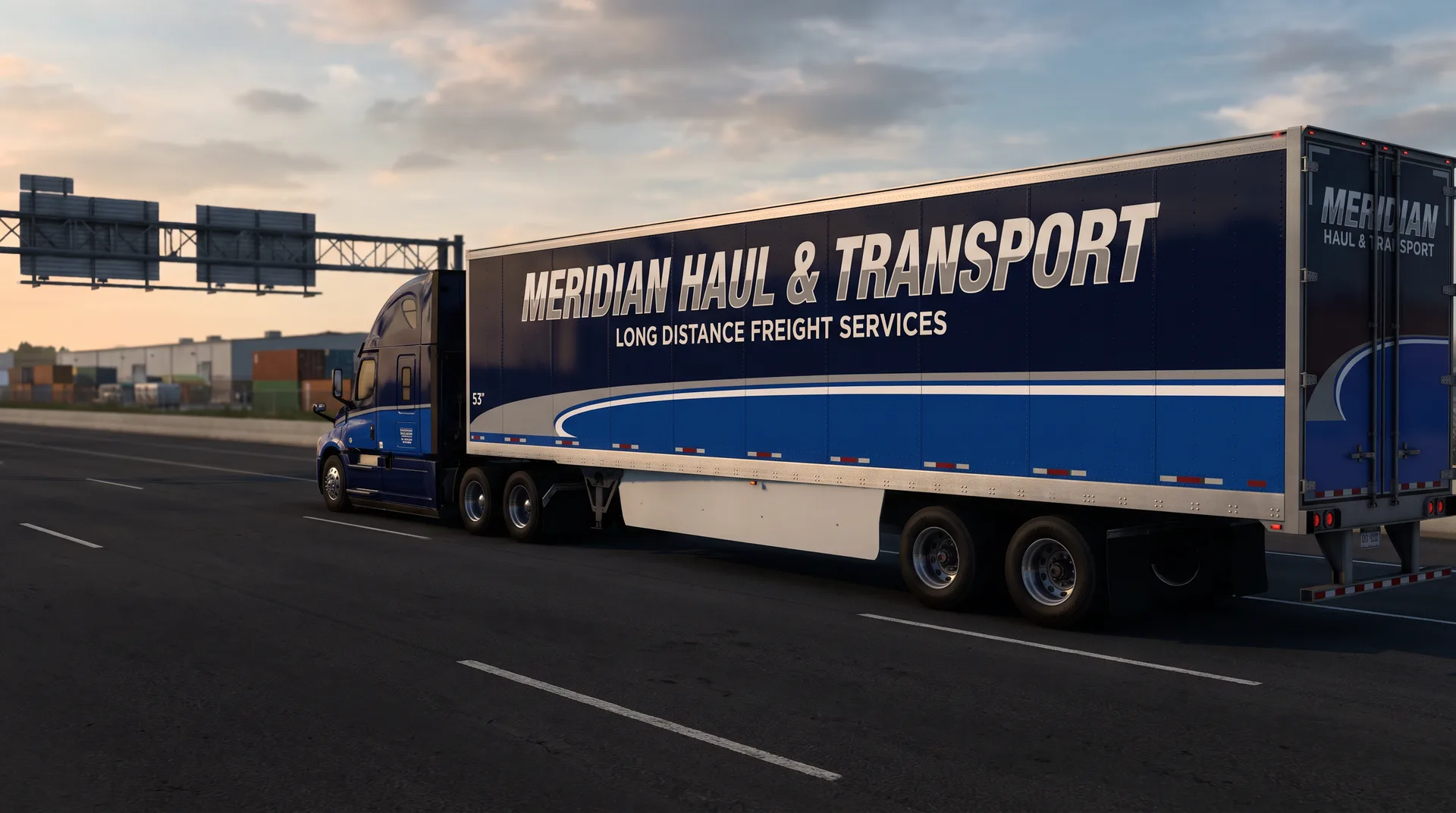
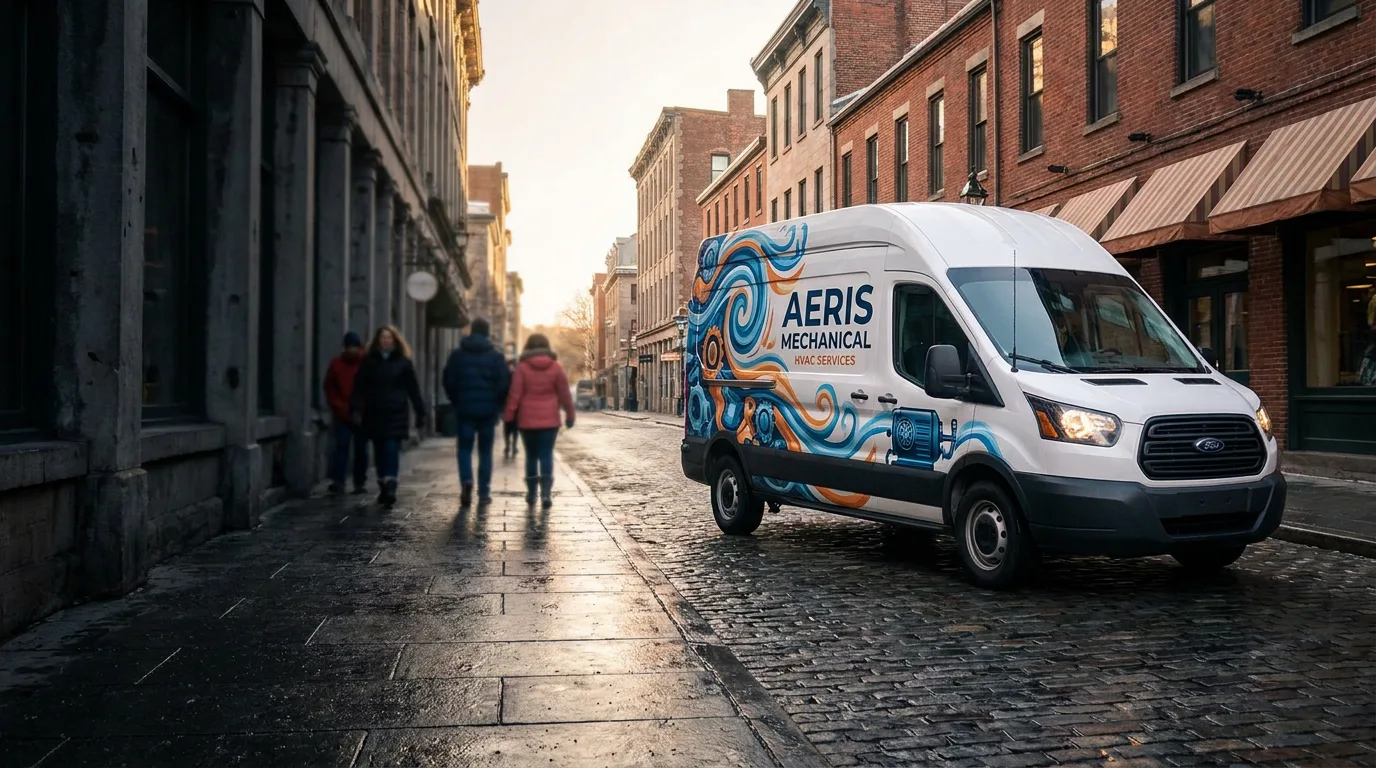
Repainting a motorhome is expensive and permanent, and tired factory decals date an otherwise good coach. A vinyl wrap can refresh dull sidewalls, cover faded striping, or completely change the color and graphics of an RV — and it can be removed later when the surface underneath is sound. For rental fleets and dealers it is also a clean way to carry consistent branding and unit numbers.
An RV is a large, complex surface, and coverage is decided panel by panel. Painted fiberglass and aluminum sidewalls, front and rear caps, and slide-out faces are usually candidates, while roofs, awnings, rubber membrane, heavily textured filon, and deeply sealed seams often are not. Slide-outs, storage doors, vents, lights, and service access all need clear-zone planning.
Surface condition sets the schedule. Existing decals typically must be removed first, and oxidation, old adhesive, and past repairs affect both adhesion and how the finished wrap looks. We review the actual coach before confirming coverage and prep.
Graphics for Motorhomes, Campers and Towables
Every coach is reviewed by its sidewall type, caps, slide-outs, storage doors, and surface condition — not just its length.
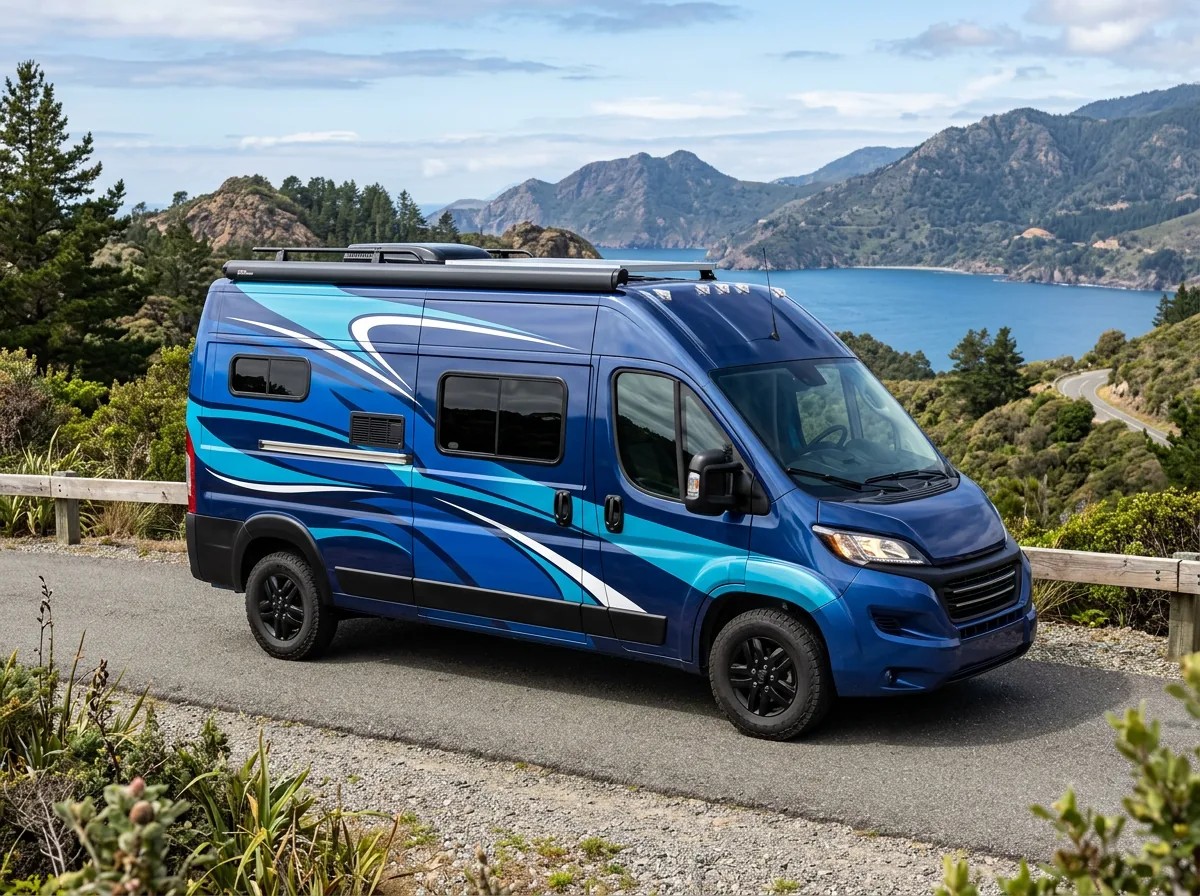
Class B Camper Van
Van-based campers with body sides, rear doors, and rooflines on a compact footprint.
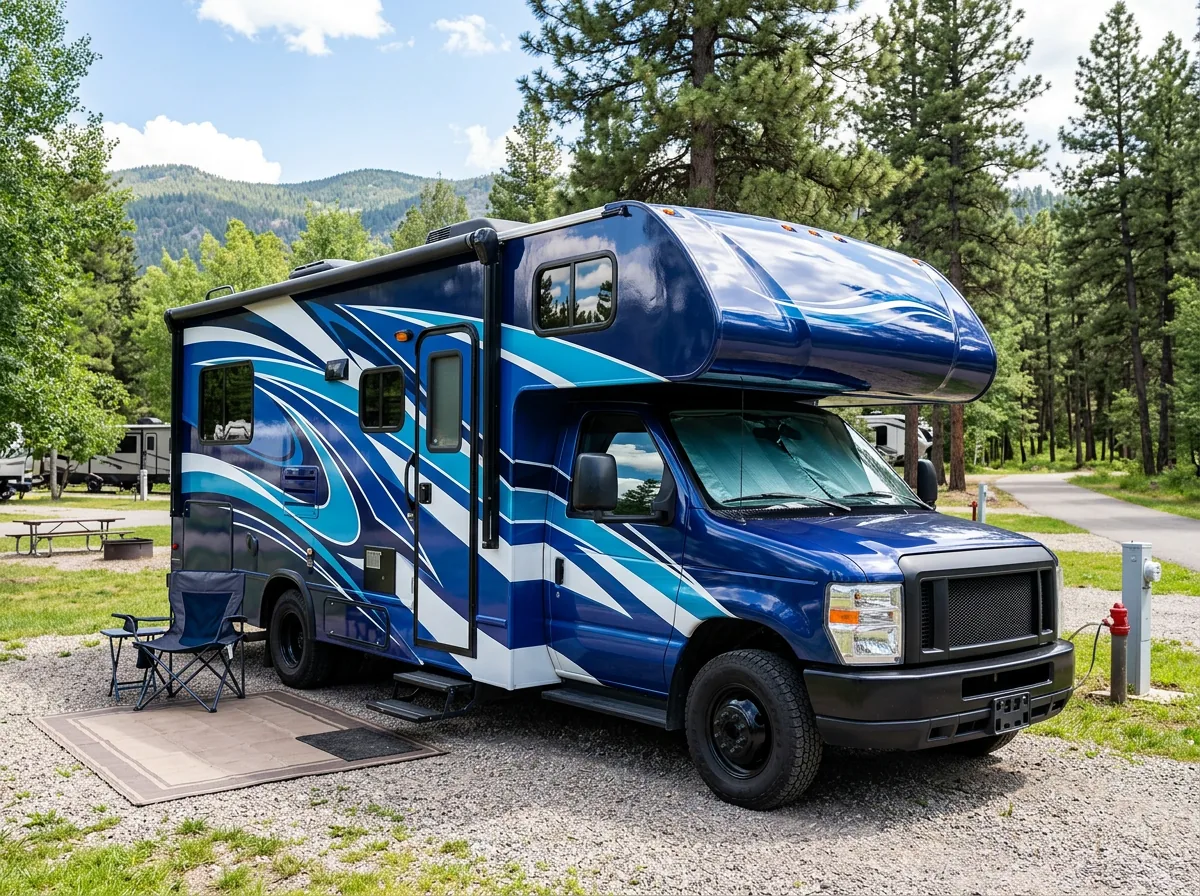
Class C Motorhome
Cab-chassis coaches with a cab-over bunk, sidewalls, and a rear cap.
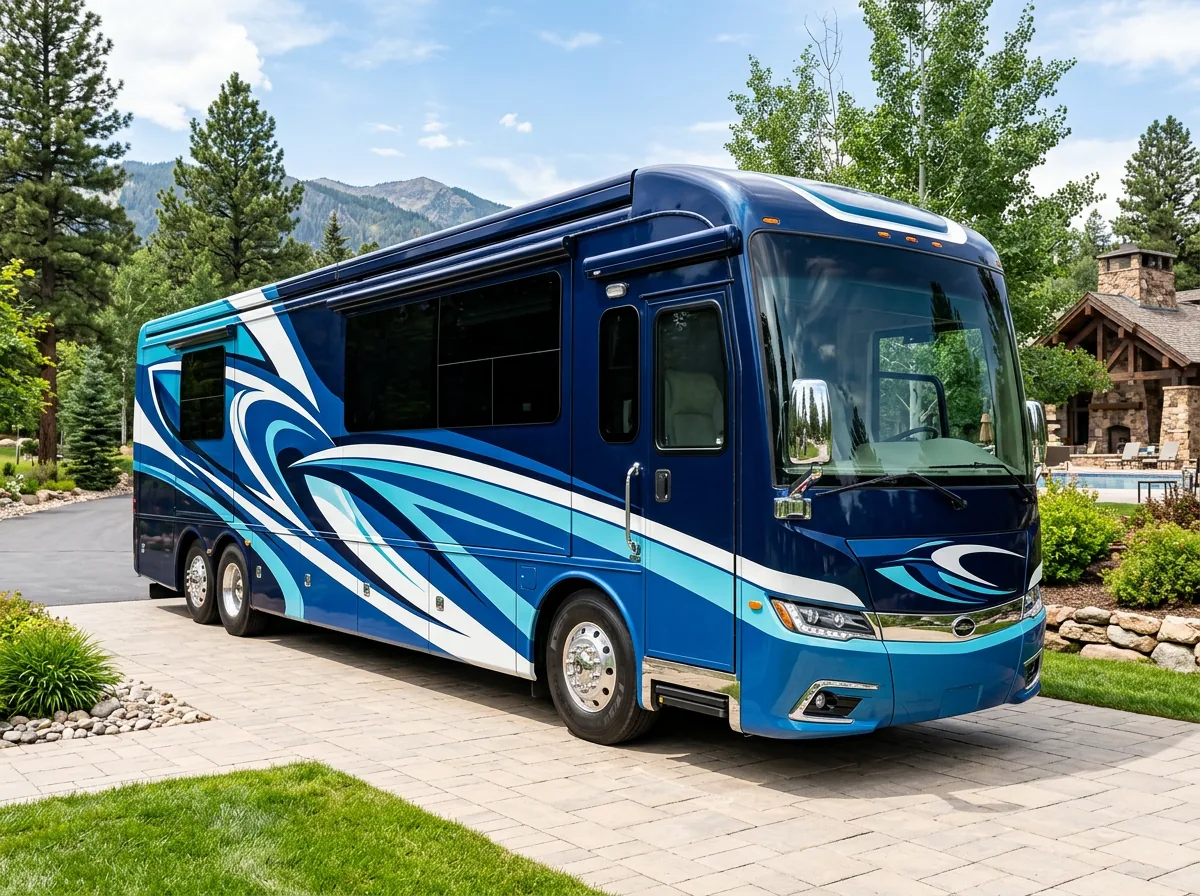
Class A Motorhome
Full-size coaches with tall sidewalls, molded caps, and multiple slide-outs.
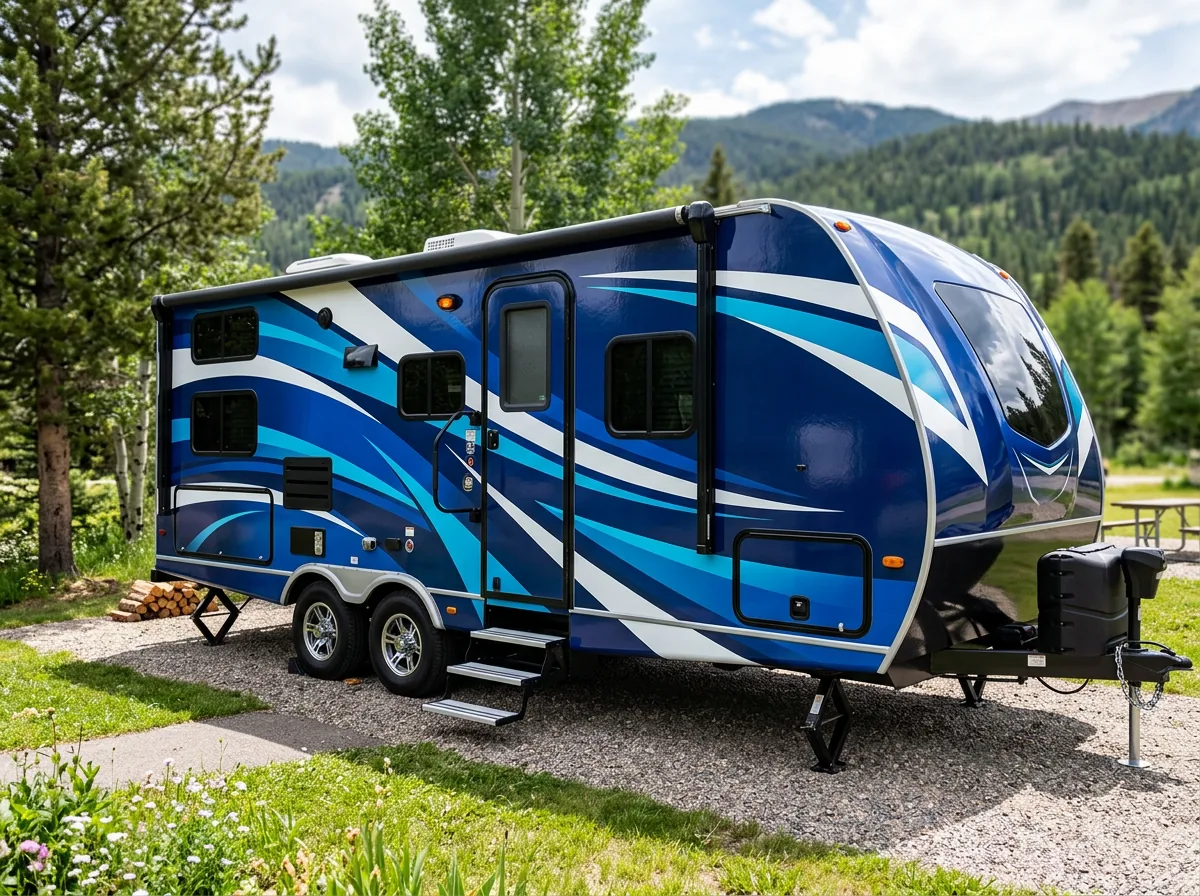
Travel Trailer
Towable trailers with fiberglass or aluminum sidewalls and a front cap.
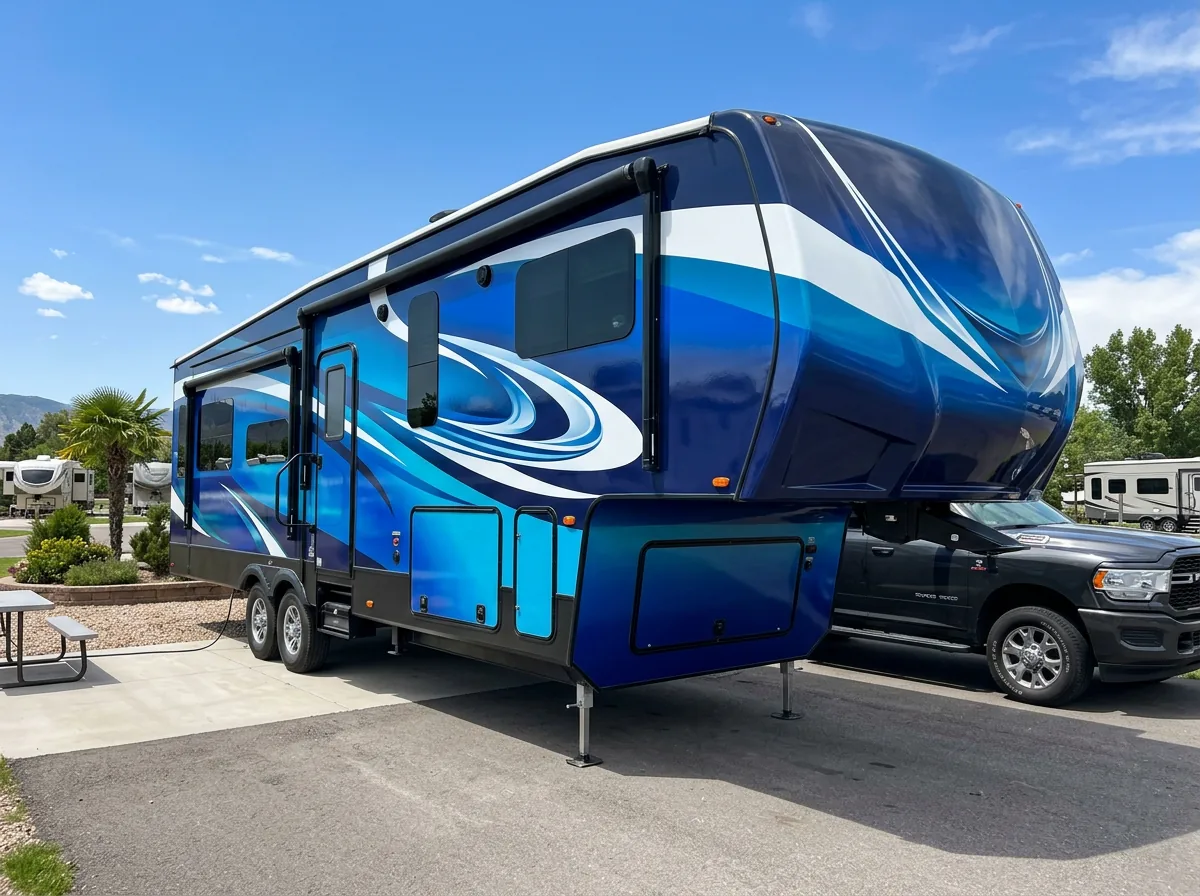
Fifth Wheel
Tall towables with an upper cap, long sidewalls, and slide-outs.
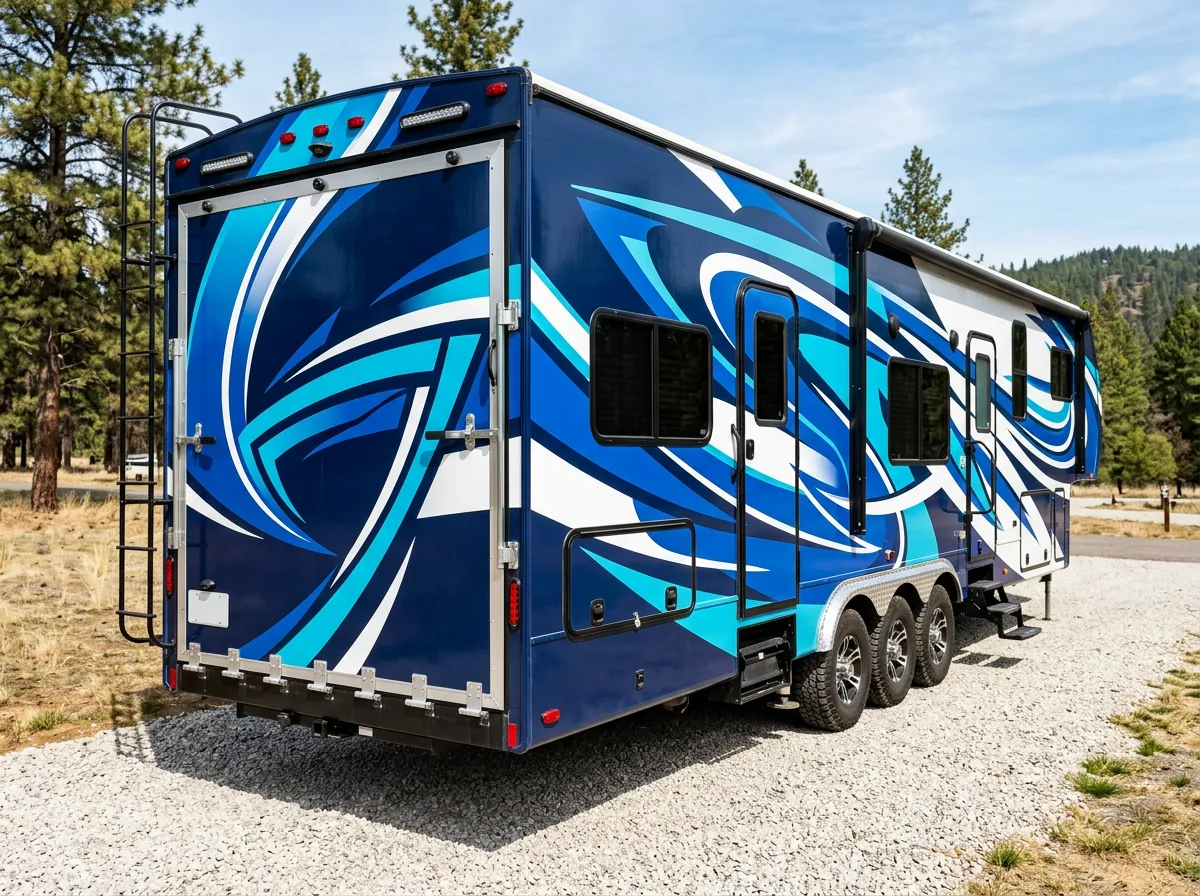
Toy Hauler / Specialty
Rigs with a rear ramp door, garage space, and heavy-use surfaces.
Give Every Panel a Clear Job
Build the design from highway recognition down to campsite detail, while keeping slide-outs, doors, and service access clear.
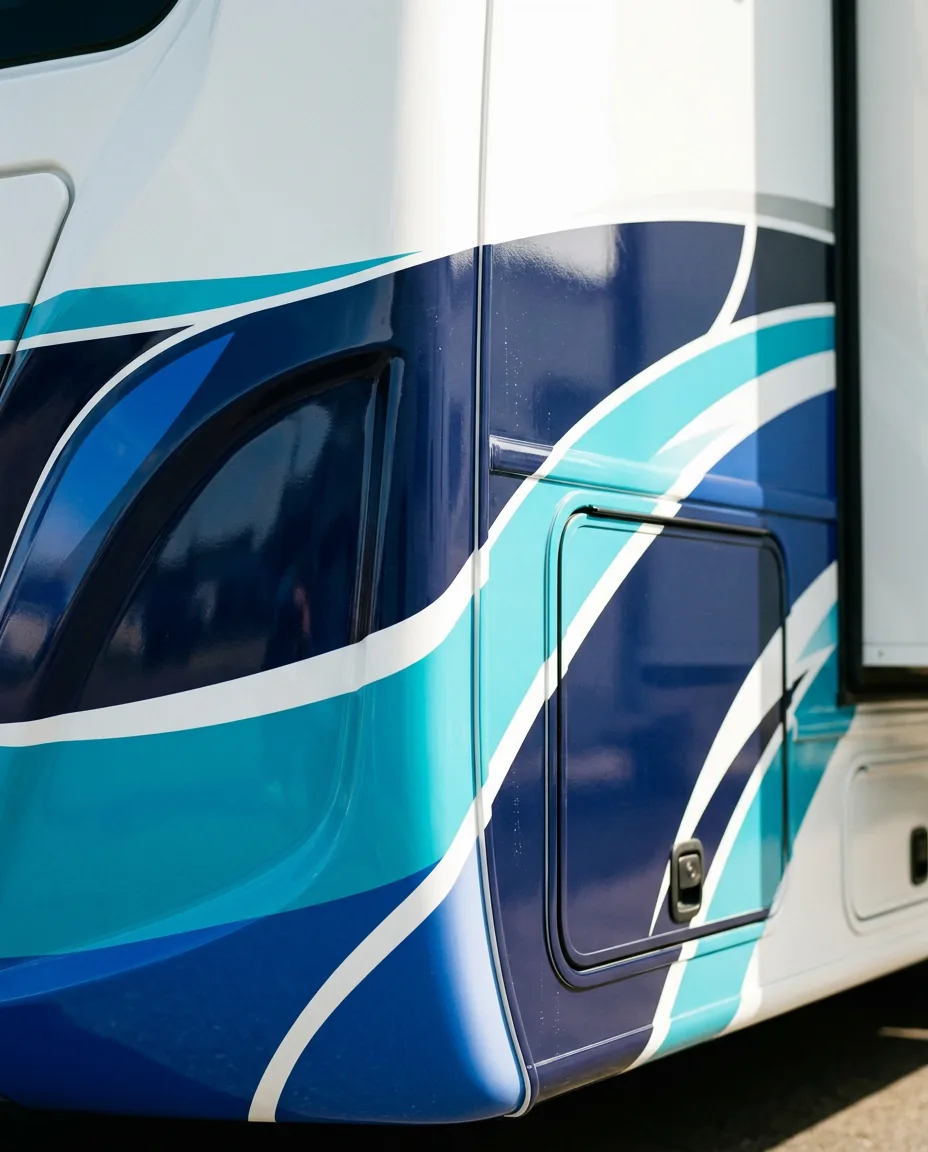
1Sidewall Identity
The long sidewall is the primary canvas for a color scheme, brand, or bold graphic that reads on the highway and at the campground, planned around windows, storage doors, and slide-outs.
2Front & Rear Caps
Molded caps carry the strongest curves and the most attention front and back. Coverage respects lights, seals, cameras, ladders, and vents while extending the theme.
3Slide-Out Clear Zones
Slide-out faces can be wrapped, but the graphic must be planned so it does not bind, tear, or lift as the room extends and retracts. Seals and travel paths stay clear.
4Storage & Access Doors
Basement bays, utility doors, fills, and access panels need to keep working. Graphics either flow across them intentionally or leave them clear where movement demands it.
5Brand & Contact Information
For rental or dealer fleets, a logo, unit number, website, or phone number can be added — accurate, authorized, and kept secondary to the overall coach identity.
6Protected Surfaces
Roofs, awnings, rubber or TPO membrane, heavily textured or sealed areas, and moving mechanical components are left out of the wrap. Coverage stops where vinyl is not the right material.
RV Wrap Cost Factors
Length is only one variable. Sidewall type, surface condition, existing decals, slide-outs, coverage, artwork, and access logistics also shape the scope.
| RV Type | Typical Wrap Areas | Quote Considerations |
|---|---|---|
| Class B camper van | Body sides, rear doors, and roofline accents | Compact size, ribs and body lines, windows, and existing paint or graphics |
| Class C motorhome | Sidewalls, cab-over, and rear cap | Cab-over curve, cab paint match, sidewall type, and factory decal removal |
| Class A motorhome | Full sidewalls, front and rear caps, and slides | Length, sidewall material, slide-out clear zones, storage doors, and staging |
| Travel trailer | Sidewalls, front cap, and rear wall | Filon texture, aluminum vs. fiberglass, windows, and past decal adhesive |
| Fifth wheel | Sidewalls, upper cap, and slides | Height and access, cap curves, slide-outs, and surface oxidation |
| Toy hauler / specialty | Sidewalls, ramp door, and accent panels | Ramp-door flex and hardware, texture, and heavy-use surface wear |
Send clear photos of all sides, the overall length, height, and sidewall type, close-ups of any oxidation, existing decals, or repairs, the slide-out and storage-door layout, the coverage you want, unit quantity, storage situation, and target date. We will recommend appropriate panels and quote the actual scope rather than applying a universal per-foot price.
From Coach Review to Road-Ready Install
Coach & Surface Review
We review length, height, sidewall type, caps, slide-outs, storage doors, existing decals, oxidation, repairs, and access. Protected surfaces and required clear zones are identified before design.
Design Plan & Proof
The layout assigns clear roles to sidewall identity, caps, slide-outs, and brand or contact information. Proofs reflect the actual coach and its openings, and production follows written approval.
Material Selection & Production
We select cast films and laminates suited to the approved panels, curvature, sun exposure, and manufacturer guidance, then print, laminate, finish, and stage the graphics in-house.
Decal Removal, Prep & Install
Old decals are removed, surfaces are cleaned, decontaminated, and prepared, and graphics are installed around slide-outs, doors, seals, and clear zones. Slide and door operation is checked before the RV goes back on the road.
RV Wrap FAQs
Can you wrap the whole RV, including the slide-outs and roof?
Will a wrap stick to the textured fiberglass (filon) sidewalls?
What happens to the existing factory decals and striping?
How long does an RV wrap last?
Do you install at my storage lot or does the RV come to you?
Can a wrap be removed later without damaging the RV's finish?
Can you match graphics across a rental or dealer RV fleet?
Get an RV Wrap Quote
Tell us about the coach, length and height, sidewall type, existing decals, slide-out and storage layout, coverage, storage situation, and target date. Photos of all sides help us review the scope.