
Commercial Vehicle Wraps
Full wraps can transform the vehicle into a complete brand surface. Partial wraps use the existing paint as part of the composition, reducing coverage without reducing clarity.
Learn more →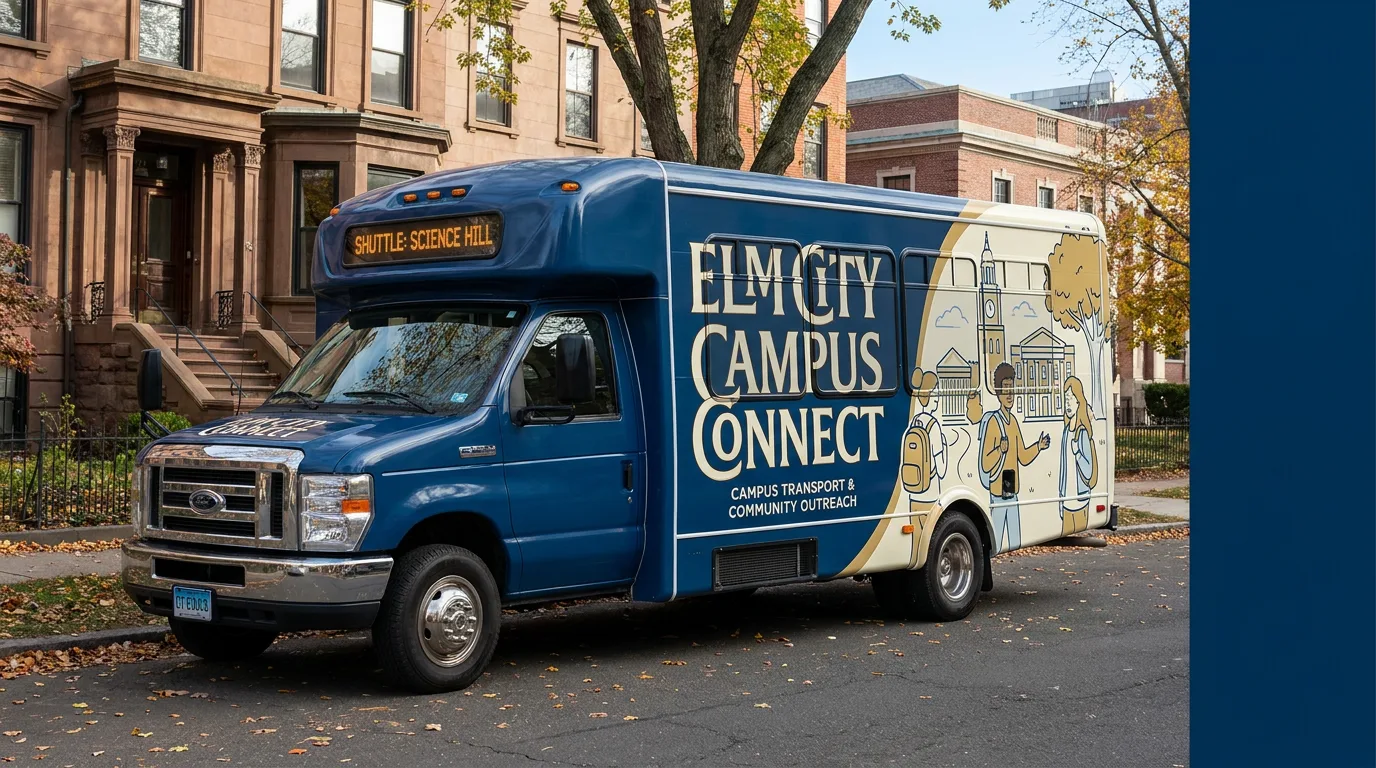
From straightforward lettering on one work van to a coordinated wrap system for a growing fleet, Hawk Wraps handles commercial vehicle graphic design, printing, and installation for businesses serving New Haven and nearby markets.
A commercial vehicle is both working equipment and a customer touchpoint. Its graphics should identify the company quickly, explain the primary service, and look credible when the vehicle reaches a home, jobsite, loading area, campus, storefront, or facility.
We plan the coverage around the exact year, make, model, paint and surface condition, body hardware, message, and budget. The right answer may be a full wrap, a partial wrap that incorporates the vehicle color, or direct lettering—not automatically the option with the most vinyl.
Start with what the vehicle needs to accomplish: a full visual transformation, a clear local-service identity, or a repeatable system that can extend across several vehicles.
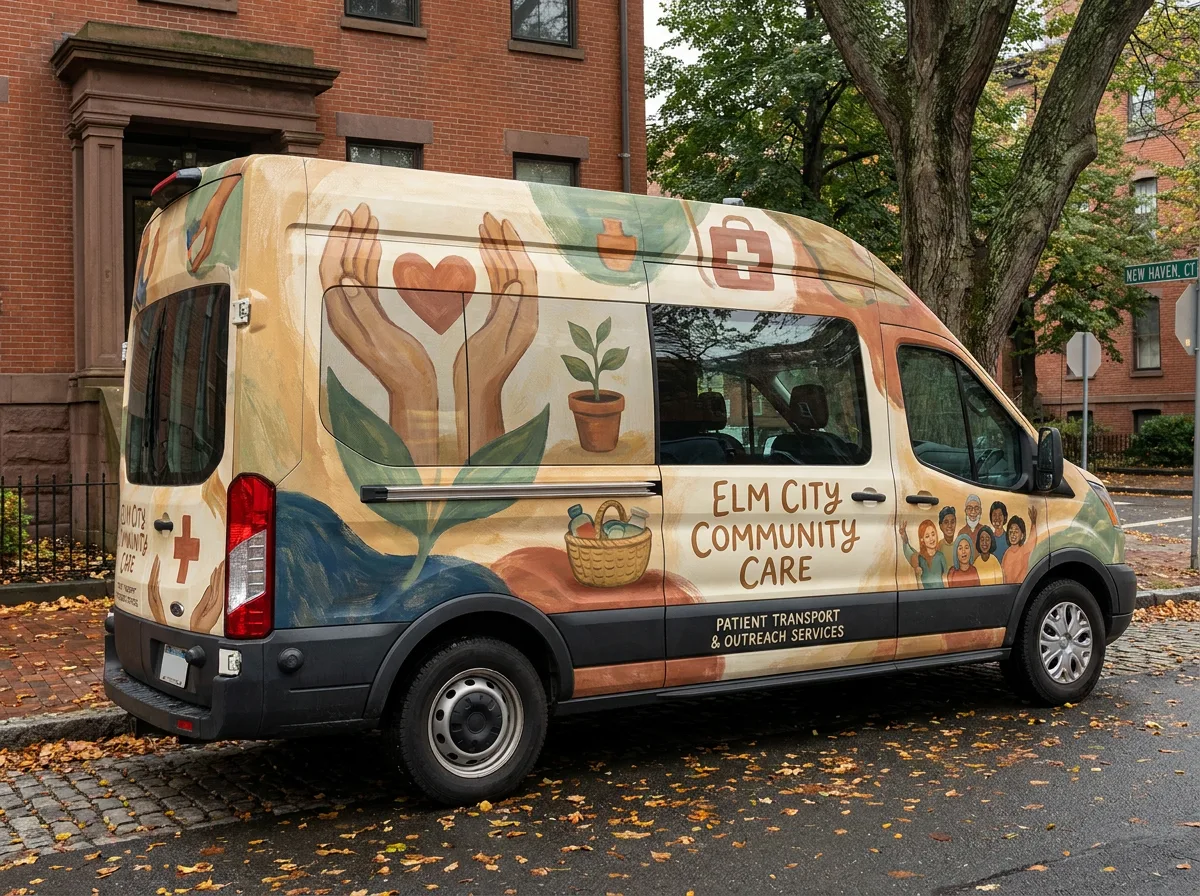
Full wraps can transform the vehicle into a complete brand surface. Partial wraps use the existing paint as part of the composition, reducing coverage without reducing clarity.
Learn more →Layouts for compact, standard, and high-roof vans are fitted around sliding doors, windows, handles, racks, rear access, and the different jobs performed by each side.
Learn more →Pickups, service bodies, box trucks, straight trucks, tractors, and trailers offer different viewing distances and hardware. The design is composed for the body that will carry it.
Learn more →Approved type, color, message, and placement rules keep a fleet recognizable while the artwork is adapted for new body styles, replacement vehicles, and later additions.
Learn more →Lettering and spot graphics are a practical fit when the vehicle needs a clear company name, service, contact path, unit number, or approved operating information without broad coverage.
Learn more →Before a rebrand or replacement, existing vinyl, paint, repairs, and exposed surfaces are assessed so removal and the next graphic system can be scoped responsibly.
Learn more →I-95, I-91, Route 34, US Route 1, and roads connecting the port, Downtown, medical district, and university areas connect port and industrial sites, healthcare and university campuses, restaurants, construction projects, downtown loading areas, and neighborhood properties.
For education and healthcare organizations, food and hospitality businesses, property teams, contractors, and delivery operators, the vehicle may have only a few seconds to introduce the business before it parks where customers, residents, workers, or visitors can see it up close.
Across shuttles, vans, facilities vehicles, pickups, box trucks, and mobile-outreach vehicles, the practical priority is this: the visual system should carry institutional trust without losing the directness required for everyday commercial work. The company name and primary service lead; the phone, web address, credentials, and secondary details support them without turning the vehicle into a crowded service menu.
That hierarchy can be carried through a full wrap, partial wrap, lettering package, or mixed fleet system and then recomposed around the usable surfaces of each vehicle.
The practical difference is what gets controlled before the vehicle arrives: the scope, body information, message hierarchy, artwork approval, production files, preparation needs, and installation plan.
Hawk Wraps has worked with commercial vehicles since 2001 and completed graphics for 1,000+ vehicles. That experience informs the questions we ask before design and installation.
Vehicle review, design, proofing, printing, preparation, scheduled installation, and final inspection are planned as one project instead of disconnected handoffs.
Vehicle preparation and installation take place in our 10,000 sq ft Linden facility, where the team can manage access, lighting, temperature, finishing, and inspection.
A strong first vehicle becomes a reference for replacements, additional units, and new body styles, helping later fleet work stay recognizable without forcing one rigid layout.
A service van, delivery truck, shuttle, and contractor pickup do not carry the same message or meet customers in the same setting. These local business categories show how vehicle type and customer context shape the wrap brief.
Schools, campuses, and education organizations in the New Haven market use shuttles, buses, vans, and maintenance vehicles for passenger, facilities, event, and support roles. One approved graphic system can connect those functions while adapting the layout to each body and audience.
Healthcare, senior-service, outreach, and community organizations serving New Haven use shuttles, vans, buses, and support vehicles to move people, staff, and equipment. Graphics should identify the organization and vehicle purpose clearly while keeping the tone appropriate for patient- and community-facing work.
New Haven restaurants, caterers, food suppliers, mobile vendors, hotels, and event teams use refrigerated vans, food trucks, carts, and box trucks in both customer-facing and back-of-house roles. Vehicle graphics can carry the same identity customers recognize on menus, packaging, storefronts, and event materials.
Property and facility-service teams arrive at New Haven homes, buildings, and commercial sites in service vans, pickups, and compact fleet vehicles. Consistent graphics help residents, tenants, and property managers connect the vehicle with the scheduled company before the crew begins work.
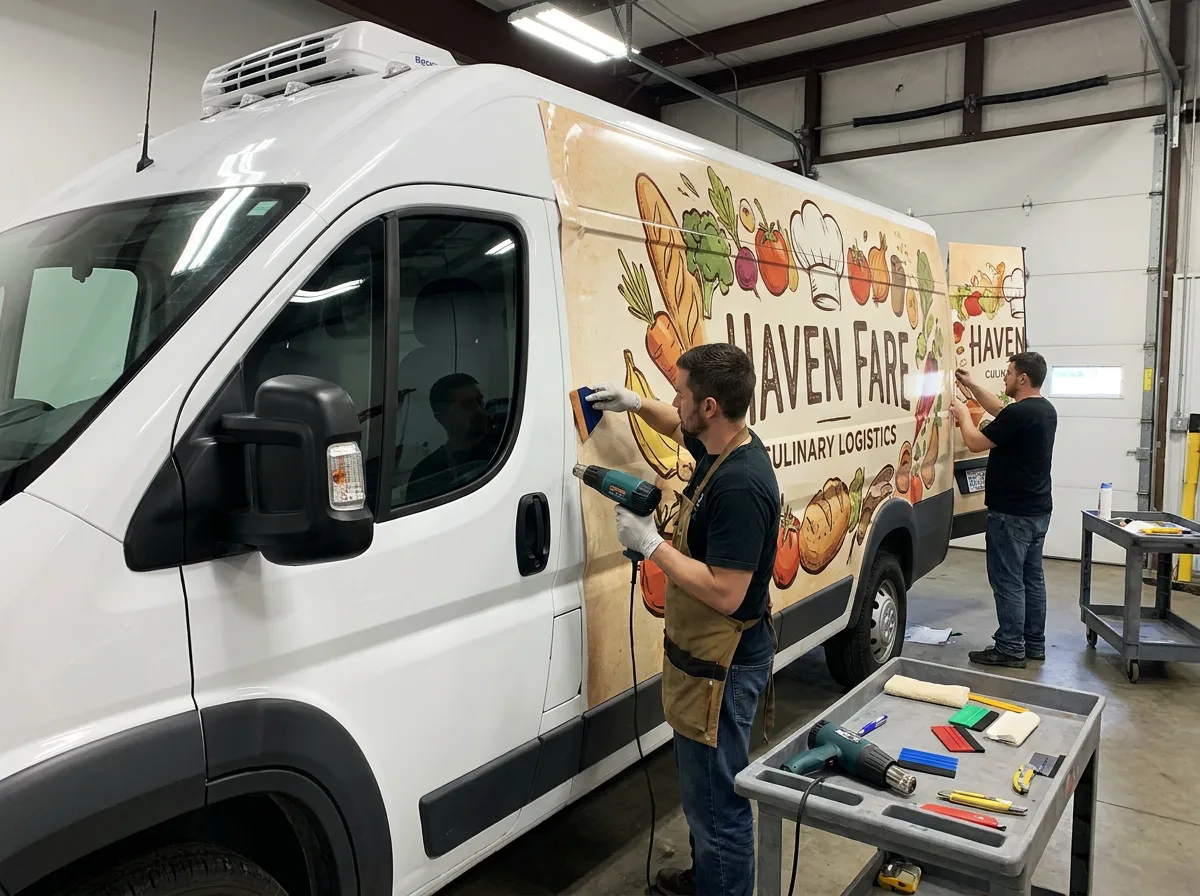
A smoother installation starts before the vehicle arrives. We quote from real vehicle details, design for the exact body, move into production only after approval, and schedule shop time after the artwork and preparation plan are settled.
Vehicle availability matters too. For a New Haven project, we coordinate around campus, clinic, event, and delivery schedules, and keep required identification separate from promotional copy.
For the most useful response, include the exact vehicle, clear photos of every side, the number of units, the coverage you are considering, existing graphics, available brand files, and target timing.